Soothe Those Sore Gums After Wisdom Tooth Removal: The Baking Soda Powerhouse
Okay, so you just had your wisdom teeth out. Congratulations on surviving the ordeal! But now you're dealing with the aftermath: throbbing pain, swollen gums, and probably a pretty limited diet. You're probably Googling everything you can find to ease the discomfort, and you’ve landed here. Let's talk about baking soda â€" a surprisingly effective tool in your post-wisdom tooth removal arsenal.
I’m not a dentist (obviously!), so this isn't medical advice. Always follow your dentist's post-operative instructions religiously. But as someone who's been there, I can tell you that baking soda helped me a LOT. This article is based on my experience and widely available information about baking soda’s properties. Let’s dive in!
Why Baking Soda Works Wonders on Sore Gums
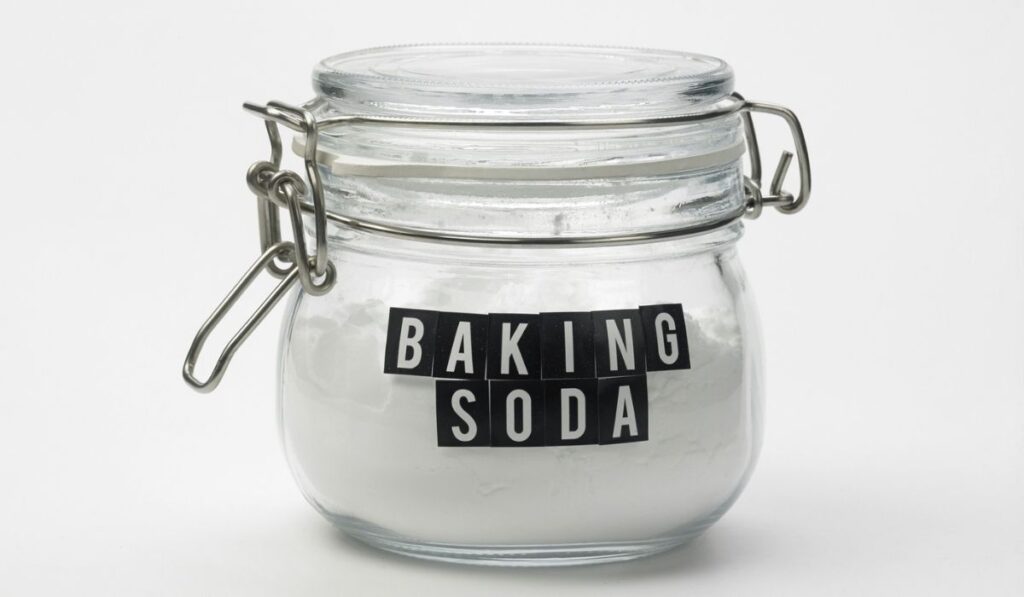
Baking soda, or sodium bicarbonate, is more than just a leavening agent for your favorite cookies. It's naturally alkaline, meaning it has a pH above 7. This is crucial because it can help neutralize the acids in your mouth that contribute to post-surgical pain and inflammation.
Think about it: your mouth is a breeding ground for bacteria. After a wisdom tooth extraction, the extraction site is an open wound, incredibly vulnerable to infection. Bacteria produce acids as they thrive, and these acids irritate your already sensitive gums, increasing pain and slowing healing.
Baking soda’s alkaline nature helps to combat this bacterial overgrowth. By neutralizing the acids, it creates a more favorable environment for healing. It also helps to:
- Reduce inflammation: The anti-inflammatory properties of baking soda can help soothe swollen gums and reduce overall discomfort.
- Cleanse the area: Gently rinsing with a baking soda solution can help remove food particles and debris from the extraction site, preventing infection and promoting healing.
- Control bleeding: In the immediate aftermath of surgery, a bit of baking soda in a rinse can help to stop minor bleeding. However, persistent or heavy bleeding warrants an immediate call to your dentist.
How to Use Baking Soda for Post-Wisdom Tooth Extraction Relief
It’s important to remember that you should always follow your dentist’s post-operative instructions first. They'll likely recommend a specific rinsing solution or medication. The baking soda method is meant to be a *supplement*, not a replacement, for professional advice.
Making Your Baking Soda Rinse
The process is super simple. You'll need:
- 1/2 teaspoon of baking soda
- 8 ounces of warm (not hot!) water
Mix the baking soda and water thoroughly until the baking soda is fully dissolved. You want a smooth solution, not gritty.
Rinsing Your Mouth
This is where gentle is key! You don't want to agitate the extraction sites. Here's how to do it:
- Fill your mouth with the baking soda solution.
- Gently swish the solution around your mouth, avoiding the extraction sites as much as possible.
- Spit out the solution, and repeat several times.
- Do not vigorously rinse or gargle, as this could dislodge blood clots and hinder healing.
- Rinse your mouth with plain water afterward.
How often? I found rinsing 2-3 times a day, after meals, was helpful. But listen to your body â€" if you feel like you need it more often, go ahead. If it starts irritating your gums, reduce the frequency.
Important Precautions
While baking soda is generally safe, there are a few things to keep in mind:
- Don't swallow the rinse: It's not meant for ingestion.
- Avoid using it immediately after surgery: Wait until the initial bleeding has subsided (generally a few hours). Check with your dentist.
- Don’t use it if you have any allergies to baking soda: This is rare, but it's always best to check.
- Observe your gums: If you experience increased pain, bleeding, or any other unusual symptoms after rinsing, stop immediately and contact your dentist.
- It’s not a magic bullet: Baking soda helps manage symptoms, but it won't speed up healing dramatically. You still need to follow your dentist's instructions regarding pain medication and post-operative care.
Beyond Baking Soda: Other Tips for Soothing Sore Gums
Baking soda can be a great addition to your post-wisdom tooth extraction care routine, but it's not the only thing you can do. Remember to follow your dentist's instructions meticulously. Here are a few other things that can help:
- Ice packs: Applying ice packs to your cheeks can help reduce swelling and pain.
- Over-the-counter pain relievers: Ibuprofen or acetaminophen can help manage pain.
- Soft foods: Stick to a soft food diet for the first few days to avoid irritating the extraction sites. Think yogurt, applesauce, mashed potatoes, etc.
- Rest: Give your body time to heal. Get plenty of rest.
- Saltwater rinses: Similar to baking soda, saltwater can also help clean the area and reduce inflammation. Dissolve 1/4 to 1/2 teaspoon of salt in 8 ounces of warm water.
Commonly Asked Questions
Here are some questions I often get about using baking soda for post-wisdom tooth extraction pain:
- Q: Can I use baking soda rinses indefinitely? A: No. Use it as needed for pain relief, but don't make it a regular part of your oral hygiene routine. It can disrupt the natural pH balance of your mouth if used excessively.
- Q: Will baking soda damage my teeth? A: Used appropriately and in moderation, baking soda shouldn't damage your teeth. However, overuse can be abrasive. Always rinse with plain water after using a baking soda rinse.
- Q: Can I use baking soda if I have dry socket? A: No. Dry socket is a serious complication, and you should contact your dentist immediately if you suspect you have it. Do not attempt to treat it with baking soda or any home remedy.
- Q: My gums are still sore after a week. Is this normal? A: Some soreness is normal, but persistent or severe pain after a week isn't. Contact your dentist to rule out any complications.
- Q: Can I use baking powder instead of baking soda? A: No, baking powder and baking soda are different. Baking powder contains other ingredients that are not suitable for rinsing. Always use baking soda.
Remember, this information is for general knowledge and shouldn't replace professional medical advice. Always consult your dentist or oral surgeon for personalized post-operative care instructions. They're the best resource for ensuring your healing process goes smoothly.