Get useful tips on maintaining good dental hygiene, from proper brushing techniques to flossing and mouthwash to combat bad breath.

Purple Carrots: Nature’s Solution for Better Oral Hygiene

Purple Carrots: Nature’s Solution for Better Oral Hygiene

Purple Carrots: Nature's Solution for Better Oral Hygiene

Forget the chemically-laden mouthwashes and abrasive toothpastes. Nature offers a surprisingly effective solution for improved oral hygiene: the vibrant, purple carrot. These aren't your average garden-variety carrots; their deep purple hue signals a potent concentration of anthocyanins, powerful antioxidants that deliver a range of oral health benefits. This article explores the science behind purple carrots and how incorporating them into your diet can contribute to a healthier, brighter smile.

The Power of Anthocyanins

The striking purple color of these carrots stems from anthocyanins, a group of plant pigments belonging to the flavonoid family. These compounds aren't just pretty; they possess remarkable biological activity. Studies have shown anthocyanins exhibit significant antibacterial properties, effectively combating harmful bacteria like Streptococcus mutans, a key culprit in the development of dental cavities. Furthermore, these potent antioxidants neutralize free radicals, preventing oxidative stress that can damage gums and contribute to periodontal disease. The high fiber content of purple carrots also mechanically cleanses teeth, acting as a natural scrubbing agent.

Beyond Cavity Prevention: Additional Oral Health Benefits

Strengthening Enamel

Beyond their antibacterial prowess, anthocyanins contribute to stronger tooth enamel. They enhance the remineralization process, helping to repair microscopic damage to the enamel's surface, making teeth more resistant to decay. This protective effect is amplified by the presence of other beneficial nutrients in purple carrots, including vitamins A and C, and various minerals. Regular consumption supports enamel integrity, creating a robust defense against acids and bacteria.

Reducing Gum Inflammation

Periodontal disease, characterized by gum inflammation and potential bone loss, is a significant concern for many. The anti-inflammatory properties of anthocyanins directly address this problem. By reducing inflammation in the gum tissues, purple carrots contribute to healthier gums, reducing bleeding and promoting overall gum health. This anti-inflammatory action works in tandem with the antibacterial effects, creating a synergistic approach to periodontal health.

Incorporating Purple Carrots into Your Oral Hygiene Routine

Integrating purple carrots into your diet is simple and enjoyable. Here are some suggestions:

  • Snack on them raw: Their crunchy texture provides a natural cleaning action for your teeth.
  • Add them to salads: Boost the nutritional value and color of your salads with sliced or diced purple carrots.
  • Roast them as a side dish: Roasting enhances their sweetness and makes them a delicious accompaniment to any meal.
  • Blend them into smoothies: A subtle sweetness and vibrant color will enhance your smoothie's nutritional profile.

While purple carrots are a valuable addition to your oral hygiene strategy, remember that they are not a replacement for regular brushing, flossing, and dental checkups. They are, however, a delicious and powerful natural ally in the fight for a healthy, radiant smile. Embrace the power of purple!

Share:

Fruits and Vegetables That Fight Bad Breath Effectively

Fruits and Vegetables That Fight Bad Breath Effectively

Banish Bad Breath Naturally: The Power of Fruits and Veggies

Let's be honest, nobody wants to be known for their less-than-fresh breath. While brushing and flossing are essential, sometimes you need a little extra help to conquer those lingering odors. And guess what? Nature has your back! Many fruits and vegetables are surprisingly effective at fighting bad breath, working from the inside out to freshen your breath naturally. So ditch the harsh mouthwashes and embrace the delicious, natural power of these breath-freshening foods!

Understanding the Root of the Problem

Before we dive into the delicious solutions, let's quickly chat about why bad breath happens. It's often caused by volatile sulfur compounds (VSCs) produced by bacteria in your mouth. These bacteria thrive on food particles trapped between your teeth and gums. The resulting odors can range from mildly unpleasant to, well, pretty darn offensive. So, naturally, keeping your mouth clean is step one. But sometimes, that’s not enough. This is where the amazing power of fruits and vegetables comes into play.

Top Fruits & Vegetables for Fresh Breath

Get ready for a delicious list of breath-freshening superstars! These fruits and vegetables offer a variety of benefits, from increasing saliva production (which naturally washes away bacteria) to neutralizing odors and providing essential nutrients that support overall oral health.

The Citrus Crew

Oranges, lemons, limes, and grapefruits are all excellent choices. Their high acidity helps to neutralize the alkaline environment where bad breath bacteria thrive. Plus, the vitamin C boost strengthens your immune system â€" a double win for oral health. Tip: Sucking on a lemon or lime wedge after a meal can provide instant relief. But be mindful of enamel erosion if you overdo it!

Apples: A Crunchy Cleanse

An apple a day truly *can* keep the doctor â€" and bad breath â€" away! The fibrous texture of an apple acts like a natural toothbrush, scrubbing away food particles from your teeth and gums. This helps prevent the build-up of bacteria that cause bad breath. Plus, apples stimulate saliva production.

The Power of Pears

Similar to apples, pears are another great crunchy choice. They also stimulate saliva production and their high water content helps to keep your mouth moist. Dry mouth is a breeding ground for bad breath bacteria, so staying hydrated is key.

Green Leafy Goodness

Spinach, kale, and other leafy greens are packed with nutrients that support overall oral health. They're also high in fiber, which helps to clean your teeth and gums. The chlorophyll in these greens has also been shown to have deodorizing properties.

Cruciferous Crusaders

Broccoli, cauliflower, and Brussels sprouts contain compounds that can help to fight bad breath. These vegetables contain sulfur-containing compounds, but don't worry; they don't cause bad breath. In fact, they can help to neutralize the sulfur compounds produced by bad breath bacteria.

The Carrot Connection

Carrots are another excellent choice, providing a crunchy texture that cleanses your teeth and gums. They also stimulate saliva production and are a good source of vitamin A, which is important for healthy gums and teeth.

Beyond the Bite: Water, Water, Everywhere!

While not a fruit or vegetable, let's not forget the importance of water! Staying well-hydrated is crucial for combating bad breath. Water helps to wash away food particles and bacteria from your mouth, keeping things fresh and clean. Aim for at least eight glasses a day.

Tips for Maximizing Breath-Freshening Power

Here are some extra tips to help you get the most out of these breath-freshening fruits and vegetables:

  • Eat them regularly: Incorporate these foods into your daily diet for consistent results.
  • Eat them raw whenever possible: This maximizes the cleansing effect.
  • Combine them with other healthy habits: Remember to brush and floss regularly, and see your dentist for regular checkups.
  • Consider your overall diet: A balanced diet rich in fruits, vegetables, and whole grains is essential for overall health, including oral health.
  • Limit strong-smelling foods: While these fruits and veggies help, limiting things like garlic and onions can make a big difference.

Commonly Asked Questions

Here are some answers to common questions about using fruits and vegetables to fight bad breath:

Q: Will eating these foods completely eliminate bad breath?

A: While these fruits and vegetables are very effective in combating bad breath, they are not a magic bullet. Maintaining good oral hygiene through brushing, flossing, and regular dental checkups remains essential. These foods are best viewed as a complementary approach to a comprehensive oral hygiene routine.

Q: How often should I eat these foods to see results?

A: Aim to incorporate these foods into your diet regularly, ideally several times a day. Consistency is key!

Q: What if my bad breath persists despite eating these foods?

A: If your bad breath persists despite good oral hygiene and a healthy diet, it's important to see a dentist or doctor. Persistent bad breath can sometimes be a symptom of an underlying medical condition.

Q: Can I just juice these fruits and vegetables instead of eating them?

A: Juicing can be a way to incorporate these into your diet, but eating the whole fruits and vegetables offers the added benefit of the fiber, which helps clean your teeth and gums.

So there you have it! A delicious and natural approach to fresher breath. Remember, consistency is key, and combining these foods with good oral hygiene practices will provide you with the best results. Enjoy the fresh breath and the delicious taste!

Share:

How to Prevent Tartar Buildup with Oral Probiotics for Healthy Teeth

How to Prevent Tartar Buildup with Oral Probiotics for Healthy Teeth

Banish Tartar Buildup: How Oral Probiotics Can Help You Achieve a Sparkling Smile

Let's be honest, nobody enjoys the dreaded dental cleaning where the hygienist has to scrape away stubborn tartar. It's uncomfortable, and it's a clear sign that we haven't been as diligent with our oral hygiene as we should be. But what if I told you there's a way to *prevent* much of that tartar buildup before it even becomes a problem? Enter: oral probiotics. These tiny powerhouses are revolutionizing oral health, and they could be the secret weapon you've been searching for to achieve a naturally sparkling smile.

Understanding Tartar and its Formation

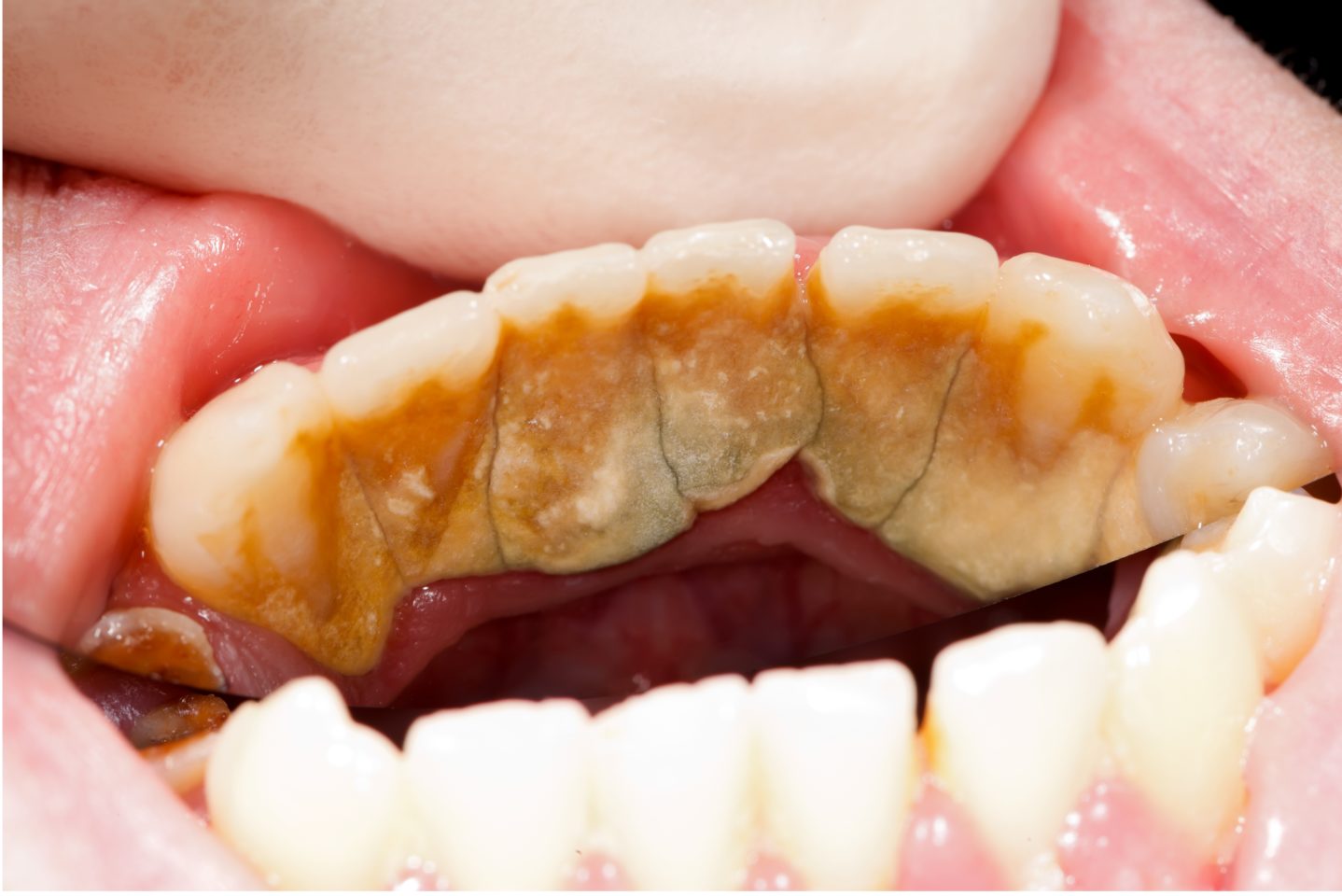
Before we dive into the world of oral probiotics, let's quickly recap what tartar is and how it forms. Tartar, also known as calculus, is a hard, yellowish-brown deposit that builds up on your teeth. It's essentially hardened plaque, that sticky film of bacteria that forms constantly on your teeth. When you don't brush and floss regularly, the bacteria in plaque multiply, producing acids that attack your enamel and lead to cavities. Over time, the plaque mineralizes â€" it hardens â€" due to the minerals in your saliva, becoming tartar.

Tartar is a breeding ground for even more bacteria, making it even more crucial to remove it. This is why regular dental cleanings are so important. But what if we could significantly reduce the amount of tartar that forms in the first place?

The Role of Oral Probiotics in Preventing Tartar Buildup

This is where oral probiotics come in. These are beneficial bacteria that, when introduced into your mouth, can help to restore the balance of your oral microbiome. Think of your mouth as a bustling ecosystem â€" a complex community of different bacteria. A healthy balance is crucial. An imbalance, often caused by poor oral hygiene or illness, can lead to an overgrowth of harmful bacteria, contributing to plaque and tartar buildup, gum disease, and even bad breath.

Oral probiotics work by:

  • Competing with harmful bacteria: They literally compete for space and nutrients, limiting the growth of the bad guys that contribute to plaque formation.
  • Producing antibacterial substances: Some probiotics produce substances that directly inhibit the growth and activity of harmful bacteria.
  • Strengthening the immune response: They can help stimulate your body's natural defenses in your mouth, making it better equipped to fight off infections and inflammation.
  • Improving oral pH: A balanced oral microbiome helps maintain a healthy pH level in your mouth, making it less conducive to bacterial growth and plaque formation.

Different Types of Oral Probiotics

Not all oral probiotics are created equal. Different strains have different effects, and some are more effective at targeting specific oral health problems. Commonly used strains include Lactobacillus and Streptococcus species. Always check the label of any probiotic product to see which strains it contains.

How to Incorporate Oral Probiotics into Your Oral Hygiene Routine

Incorporating oral probiotics into your routine is easier than you might think. They come in various forms, including:

  • Lozenges or tablets: These are easy to use and convenient to take throughout the day.
  • Gels or pastes: These can be applied directly to the teeth and gums.
  • Mouthwashes: A probiotic mouthwash can be used as part of your regular brushing and flossing routine.

Remember, oral probiotics are not a magic bullet. They work best when combined with a thorough oral hygiene regimen.

Maintaining Good Oral Hygiene Practices

Even with oral probiotics, you still need to practice good oral hygiene. This means:

  • Brushing twice a day: Use a fluoride toothpaste and brush gently for at least two minutes each time.
  • Flossing daily: Flossing removes plaque and food particles from between your teeth, where your toothbrush can't reach.
  • Regular dental checkups: Visit your dentist for professional cleanings and checkups at least twice a year. This is crucial for removing tartar and detecting any potential problems early on.
  • Healthy Diet: A diet rich in fruits, vegetables, and whole grains supports overall health, including oral health.
  • Limit Sugary Drinks and Snacks: Sugary foods and drinks feed the bacteria in your mouth, contributing to plaque and acid production.

Potential Benefits Beyond Tartar Prevention

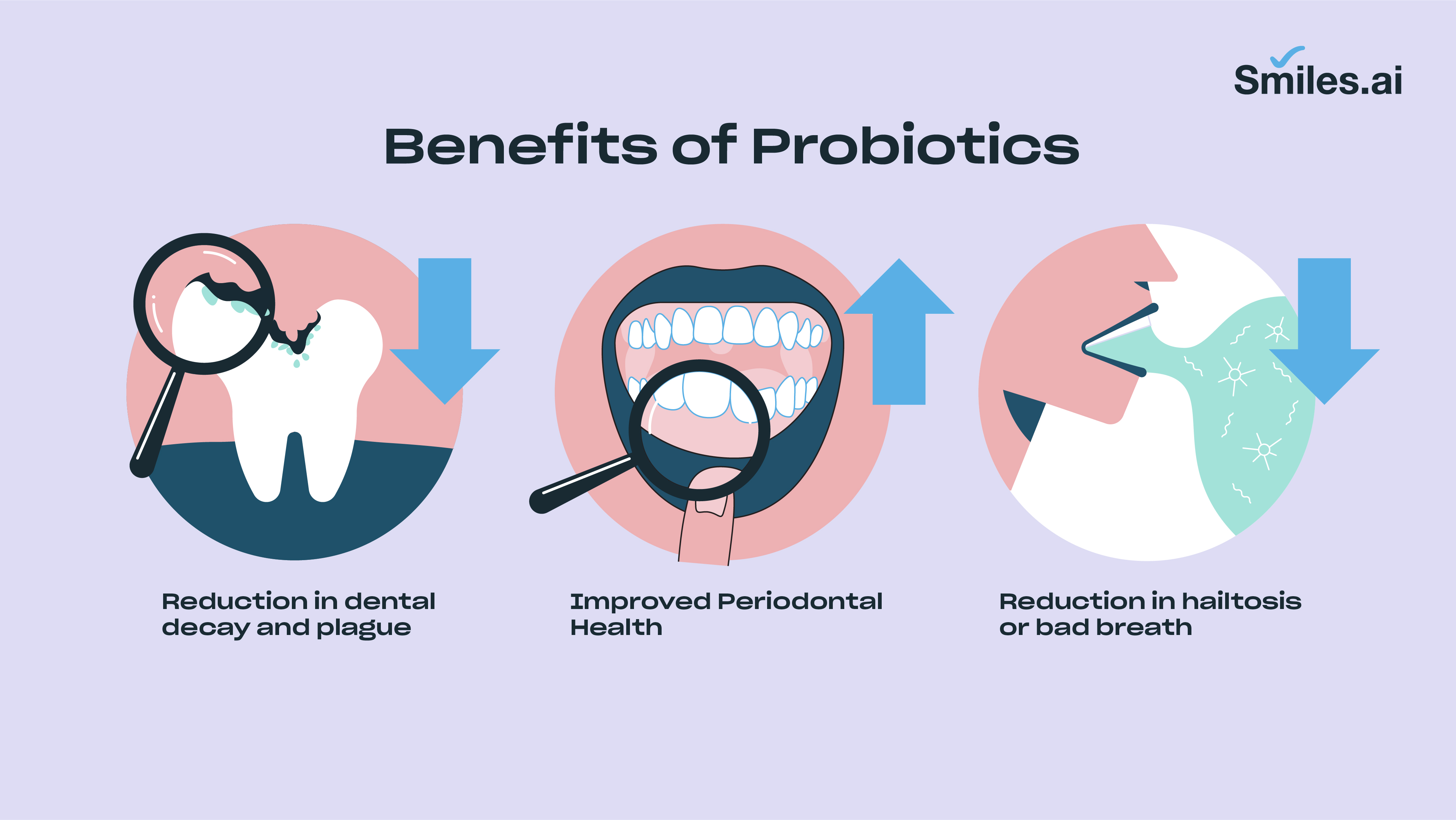
Beyond tartar prevention, oral probiotics offer a host of other potential benefits, including:

  • Reduced gingivitis (gum inflammation): By improving the balance of oral bacteria, probiotics can help reduce inflammation and bleeding gums.
  • Improved bad breath: Bad breath (halitosis) is often caused by an imbalance of oral bacteria. Probiotics can help restore this balance and freshen breath.
  • Reduced risk of cavities: Although not a direct replacement for fluoride, probiotics may contribute to a healthier environment in the mouth, decreasing the risk of cavities.

Frequently Asked Questions (FAQs)

Here are some commonly asked questions about using oral probiotics for tartar prevention:

  • Q: Will oral probiotics completely eliminate tartar? A: No, oral probiotics are not a replacement for professional dental cleanings. They help *reduce* tartar buildup, but regular dental visits are still essential.
  • Q: How long does it take to see results? A: Results can vary depending on the individual and the product used. Some people may see improvements in a few weeks, while others may take longer.
  • Q: Are there any side effects? A: Side effects are generally rare, but some people may experience mild gastrointestinal discomfort, such as bloating or gas. If you experience any adverse effects, discontinue use and consult your dentist or doctor.
  • Q: Can I use oral probiotics alongside my regular toothpaste and mouthwash? A: Yes, absolutely! Oral probiotics can be incorporated into your existing oral hygiene routine.
  • Q: How do I choose the right oral probiotic product? A: Look for products with well-researched strains of bacteria, such as Lactobacillus and Streptococcus species. Check reviews and consult your dentist for recommendations.
  • Q: Are oral probiotics safe for children? A: Generally, yes, but it's best to consult your dentist or pediatrician before giving oral probiotics to children, especially young children.

Oral probiotics represent a promising new approach to maintaining excellent oral health. By supporting a balanced oral microbiome, they can help prevent tartar buildup and contribute to a healthier, brighter smile. Remember that consistency is key â€" combining probiotics with good oral hygiene habits is the most effective strategy for a healthy and beautiful smile.

Share:

Simple Remedies to Stop Gums from Bleeding and Reduce Swelling

Simple Remedies to Stop Gums from Bleeding and Reduce Swelling

Simple Remedies to Stop Gum Bleeding and Reduce Swelling

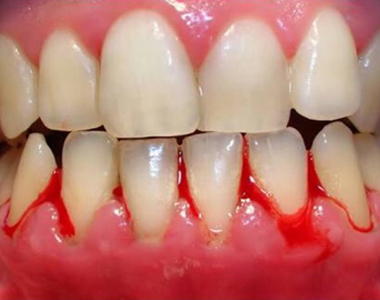
Bleeding gums and swelling are common oral health issues often indicative of gingivitis, the early stage of gum disease. While professional dental care is crucial for managing and preventing advanced gum disease, several simple home remedies can effectively address mild cases, providing relief and promoting healing. This article will explore various approaches, emphasizing the importance of maintaining good oral hygiene practices alongside these remedies.

Understanding the Causes of Bleeding Gums and Swelling

Before delving into remedies, it's essential to understand the underlying causes of bleeding gums and swelling. The most common culprit is gingivitis, an inflammatory condition of the gums caused primarily by plaque buildup. Plaque is a sticky film of bacteria that constantly forms on teeth. If not removed through regular brushing and flossing, plaque hardens into tartar (calculus), a more difficult-to-remove substance that irritates the gums, leading to inflammation, bleeding, and swelling.

Other contributing factors include:

  • Poor oral hygiene: Insufficient brushing and flossing allow plaque to accumulate.
  • Aggressive brushing: Using excessive force while brushing can damage gum tissue, causing bleeding.
  • Hormonal changes: Fluctuations in hormone levels, particularly during pregnancy and puberty, can increase gum sensitivity and susceptibility to bleeding.
  • Vitamin deficiencies: Deficiencies in vitamins C and K can weaken blood vessels, leading to increased bleeding.
  • Certain medications: Some medications, such as blood thinners, can increase the risk of bleeding gums.
  • Smoking: Smoking reduces blood flow to the gums, hindering healing and increasing susceptibility to infection.
  • Systemic diseases: Certain medical conditions, such as diabetes, can exacerbate gum problems.
  • Improper dental appliances: Ill-fitting dentures or braces can irritate the gums.

It is crucial to note that persistent or severe bleeding gums warrant immediate professional dental attention. While home remedies can provide temporary relief for mild cases, they are not a substitute for professional dental care.

Simple Home Remedies for Bleeding Gums and Swelling

Several readily available home remedies can help alleviate mild bleeding and swelling associated with gingivitis. These remedies should be used in conjunction with a consistent oral hygiene routine, not as replacements.

Saltwater Rinse

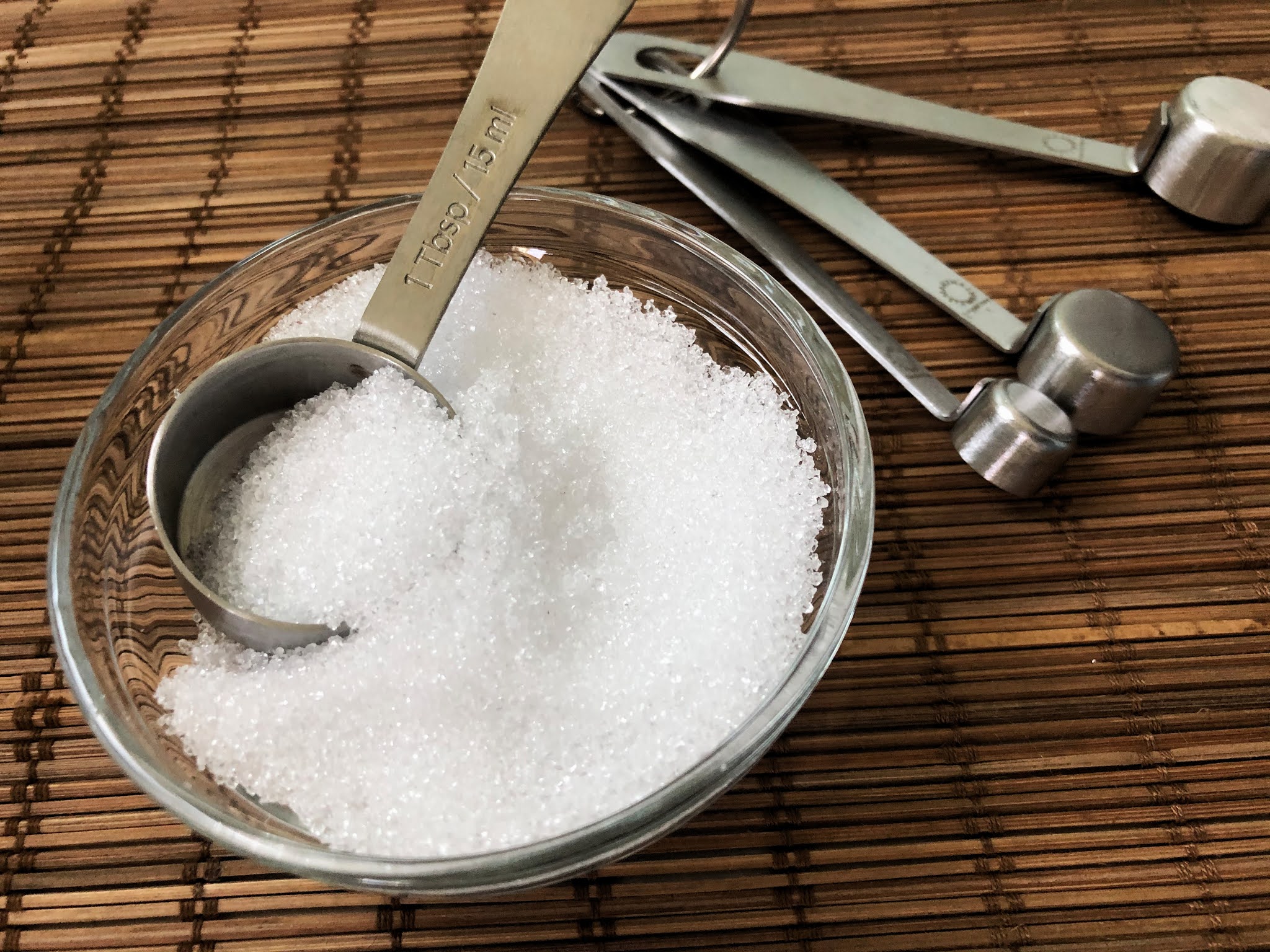
A saltwater rinse is a simple yet effective remedy. Salt possesses natural antiseptic properties that help reduce inflammation and kill bacteria. To prepare a saltwater rinse, dissolve 1/2 to 3/4 teaspoon of salt in 8 ounces of warm water. Gently swish the solution around your mouth for 30-60 seconds, then spit it out. Repeat this several times a day, especially after brushing and flossing.

Hydrogen Peroxide Rinse

Hydrogen peroxide possesses mild antiseptic and antibacterial properties. Dilute 3% hydrogen peroxide with an equal amount of water. Gently swish the solution around your mouth for 30 seconds, then rinse thoroughly with plain water. Do not swallow the solution. Use this rinse sparingly, as overuse can damage gum tissue. This is a short-term remedy and should not be a long-term solution.

Cold Compress

Applying a cold compress to the swollen area can help reduce inflammation and alleviate discomfort. Wrap a few ice cubes in a clean cloth and apply it to the affected area for 10-15 minutes at a time, several times a day.

Aloe Vera Gel

Aloe vera gel, known for its soothing and anti-inflammatory properties, can help reduce gum swelling and promote healing. Apply a small amount of pure aloe vera gel directly to the affected gums. Ensure the product is 100% aloe vera with no added ingredients.

Tea Bag Compress

Tea bags, particularly black or green tea, contain tannins, which possess astringent properties that can help reduce swelling and bleeding. Brew a tea bag, allow it to cool slightly, and then apply it directly to the affected gum for a few minutes. The tannins help constrict blood vessels, reducing bleeding.

Clove Oil

Clove oil contains eugenol, a natural antiseptic and analgesic with pain-relieving properties. Apply a small amount of clove oil directly to the affected area using a cotton swab. Use with caution as clove oil can be irritating to sensitive skin. Dilute it with a carrier oil like coconut oil if needed.

Maintaining Good Oral Hygiene: The Cornerstone of Gum Health

While home remedies can provide temporary relief, maintaining impeccable oral hygiene is paramount in preventing and managing gum problems. This involves a multifaceted approach:

Brushing Technique

Brush your teeth twice a day for at least two minutes each time using a soft-bristled toothbrush. Use gentle, circular motions, ensuring you clean all surfaces of your teeth and gum line. Avoid aggressive brushing, which can damage gum tissue.

Flossing

Flossing is crucial for removing plaque and food particles from between teeth, where your toothbrush cannot reach. Floss gently, curving the floss around each tooth and sliding it up and down along the gum line.

Mouthwash

Therapeutic mouthwashes can complement brushing and flossing by helping to reduce bacteria and inflammation. Choose a mouthwash recommended by your dentist. Avoid alcohol-based mouthwashes, as they can dry out the mouth and irritate gums.

Regular Dental Checkups

Regular visits to your dentist are essential for professional cleaning, examination, and early detection of gum disease. Professional cleanings remove tartar buildup that cannot be removed at home. Early detection allows for prompt treatment, preventing the progression to more serious stages of gum disease.

When to Seek Professional Dental Care

While the home remedies discussed above can offer temporary relief for mild gum bleeding and swelling, it's crucial to seek professional dental care under certain circumstances:

  • Persistent bleeding: If your gums bleed frequently despite good oral hygiene, consult a dentist.
  • Severe swelling: Significant swelling accompanied by pain or discomfort requires professional evaluation.
  • Receding gums: If your gums are pulling away from your teeth, it indicates potential periodontal disease and necessitates prompt dental intervention.
  • Loose teeth: Loose teeth are a serious sign of gum disease and should be addressed immediately.
  • Bad breath: Persistent bad breath (halitosis) can be a sign of underlying oral health problems.
  • Pus formation: Any pus or fluid discharge from your gums warrants immediate professional attention.

Early detection and treatment of gum disease are crucial for preventing more serious complications, such as tooth loss and systemic health issues. Don't hesitate to schedule an appointment with your dentist if you experience any persistent or concerning symptoms.

Share:

Gentle Oral Care Solutions to Stop Bleeding and Inflamed Gums

Gentle Oral Care Solutions to Stop Bleeding and Inflamed Gums

Kiss Those Bleeding Gums Goodbye: Gentle Solutions for Healthy Gums

Hey there! Let's talk about something a little delicate (pun intended!): bleeding and inflamed gums. If you're experiencing this, you're definitely not alone. It's a super common problem, and thankfully, there are lots of gentle ways to soothe those irritated gums and get things back to normal. We'll explore some easy-to-implement oral care solutions that can make a real difference. So grab your favorite mug of tea (or coffee!), settle in, and let's get started!

Understanding the Root of the Problem

Before we dive into solutions, it's helpful to understand *why* your gums might be bleeding and inflamed. The most common culprit is gingivitis, the early stage of gum disease. Think of it as your gums' way of saying, "Hey, I'm not happy!" Gingivitis is often caused by plaque â€" that sticky film of bacteria that constantly forms on your teeth. If plaque isn't removed regularly through brushing and flossing, it irritates the gums, leading to inflammation, redness, swelling, and, yes, bleeding.

Other Potential Causes

While gingivitis is the most frequent offender, there are other factors that can contribute to bleeding and inflamed gums:
  • Aggressive brushing: Scrubbing too hard can actually damage your gums and make them bleed. Believe it or not, gentle is better!
  • Hormonal changes: Pregnancy and puberty can sometimes cause gum sensitivity and bleeding.
  • Certain medications: Some medications can have side effects that impact gum health.
  • Vitamin deficiencies: Lack of certain vitamins, like Vitamin C, can weaken gums and make them more prone to bleeding.
  • Underlying medical conditions: In rare cases, bleeding gums can be a sign of a more serious health issue. If you're concerned, always consult your dentist or doctor.

Gentle Oral Care Solutions: Your Gum's New Best Friend

Now for the good stuff â€" the solutions! Remember, consistency is key here. Small changes in your routine can make a huge difference over time.

1. The Power of the Soft-Bristled Brush

Let's talk about brushing technique. Ditch the hard-bristled brush immediately! They're way too abrasive for sensitive gums. Opt for a soft-bristled toothbrush and use gentle, circular motions. Focus on the gum line â€" that's where plaque loves to hide. Don't saw back and forth; that's an old myth! Aim for at least two minutes of brushing, twice a day.

2. Flossing: Your Gum's Secret Weapon

Flossing is just as important as brushing, if not more so! It removes plaque and food particles from between your teeth, where your toothbrush can't reach. Use gentle motions to avoid snagging your gums. If flossing seems difficult, try using floss picks for easier maneuvering. Aim to floss at least once a day.

3. Rinse Away the Bacteria

Using an antimicrobial mouthwash can help reduce bacteria and soothe inflamed gums. Look for a mouthwash that's alcohol-free, as alcohol can dry out your mouth and further irritate sensitive gums. Rinse gently after brushing and flossing.

4. Embrace the Saltwater Rinse

A simple saltwater rinse can work wonders! It's a natural antiseptic that can help reduce inflammation and bleeding. Just dissolve half a teaspoon of salt in a glass of warm water and rinse gently for about 30 seconds, a couple of times a day.

5. Dietary Delights for Healthy Gums

What you eat plays a significant role in your gum health. A diet rich in fruits, vegetables, and other nutrient-rich foods will support overall well-being and gum health. Stay hydrated by drinking plenty of water throughout the day. And try to minimize sugary drinks and snacks, as they feed the bacteria that cause plaque buildup.

6. Consider a Therapeutic Toothpaste

Many toothpastes are specifically formulated to help with sensitive gums and gingivitis. Look for toothpastes containing ingredients like fluoride, which strengthens teeth, and anti-inflammatory agents that can soothe irritated gums. Your dentist or hygienist can recommend a suitable option.

7. Visit Your Dentist Regularly

This is perhaps the most crucial tip of all! Regular dental checkups and professional cleanings are essential for maintaining optimal gum health. Your dentist can identify any underlying problems early on and provide personalized advice and treatment. Aim for at least two checkups a year.

When to See a Professional

While the above tips can be incredibly effective, it's crucial to seek professional help if:
  • Bleeding persists despite consistent good oral hygiene.
  • You experience severe pain or swelling.
  • Your gums are persistently red, inflamed, or receding.
  • You notice pus or bad breath.
These could be signs of more serious gum disease, and early intervention is key to preventing long-term damage.

Frequently Asked Questions

Q: Will my bleeding gums ever stop bleeding?

A: In most cases, yes! With consistent good oral hygiene and potentially some professional intervention, bleeding gums can usually be resolved. If bleeding persists, however, it's essential to consult your dentist.

Q: How long does it take to see improvement?

A: You may notice improvements within a few weeks of adopting a consistent oral care routine. However, significant healing may take longer, depending on the severity of the inflammation.

Q: Can I use baking soda to treat my bleeding gums?

A: While baking soda has some antibacterial properties, it's generally not recommended for treating bleeding gums on its own. It can be abrasive and may further irritate already sensitive gums. It's always best to consult a dentist for guidance on appropriate treatments.

Q: Is it okay to brush my teeth if my gums are bleeding?

A: Yes, absolutely! Gently brushing and flossing are crucial for removing plaque and bacteria, which is contributing to the inflammation. Just be sure to use a soft-bristled brush and gentle motions.

Remember, taking care of your gums is an investment in your overall health. By following these gentle oral care solutions and seeking professional help when needed, you can enjoy a healthy, happy smile for years to come!
Share:

The Best Probiotics for a Healthy Mouth Microbiome and Oral Care

The Best Probiotics for a Healthy Mouth Microbiome and Oral Care

The Best Probiotics for a Healthy Mouth Microbiome and Oral Care

Hey everyone! Let's talk about something super important â€" your mouth! We all know brushing and flossing are crucial, but did you know that the tiny ecosystem living in your mouth, your oral microbiome, plays a HUGE role in your overall oral health? And guess what can help keep that ecosystem balanced and happy? Probiotics! Yep, those little beneficial bacteria are not just for your gut; they can work wonders for your mouth too. Let's dive in and explore the best probiotics for a healthy mouth and amazing oral care.

Understanding Your Oral Microbiome

Think of your mouth as a bustling city. It's teeming with millions of bacteria, fungi, and viruses â€" both good and bad. The "good guys" help protect against harmful bacteria, keep your teeth strong, and even contribute to your overall immune system. The "bad guys," on the other hand, can cause cavities, gum disease (gingivitis and periodontitis), and even bad breath. Maintaining a healthy balance between these good and bad microbes is key to having a healthy mouth.

This balance, however, can easily get disrupted by things like poor oral hygiene, a diet high in sugar, stress, illness, and even certain medications. When the bad bacteria start to outnumber the good, you're more susceptible to oral problems. This is where probiotics come in to save the day!

How Probiotics Benefit Your Oral Health

Probiotics, essentially beneficial bacteria, work in several ways to improve your oral health:

  • They fight against harmful bacteria: Probiotics compete with cavity-causing bacteria for resources and space, preventing them from multiplying and causing damage.
  • They strengthen your immune system: A healthy oral microbiome strengthens your local immune response, making it better at fighting off infections.
  • They reduce inflammation: Gum disease is characterized by inflammation. Probiotics can help reduce this inflammation, improving gum health and reducing bleeding.
  • They improve saliva production: Saliva plays a vital role in neutralizing acids and washing away food particles, which helps to prevent cavities. Some probiotics may help boost saliva production.
  • They reduce bad breath: Bad breath (halitosis) is often linked to an imbalance in the oral microbiome. Probiotics can help restore this balance, leading to fresher breath.

Choosing the Right Probiotics for Your Mouth

Not all probiotics are created equal. When choosing a probiotic for oral health, look for products that contain specific strains known to be beneficial for the mouth. Here are a few of the most promising candidates:

Lactobacillus Strains

Several Lactobacillus strains have shown promise in improving oral health. These beneficial bacteria produce substances that inhibit the growth of harmful bacteria, and some studies suggest they can help reduce plaque and gingivitis. Look for products containing strains like Lactobacillus rhamnosus, Lactobacillus reuteri, and Lactobacillus casei.

Streptococcus Strains

While the name might sound alarming, some Streptococcus strains, particularly Streptococcus salivarius K12, are actually beneficial to your oral health. This strain is known to produce bacteriocins, which are antimicrobial substances that can help prevent the growth of harmful bacteria in your mouth.

Weissella cibaria

This probiotic is another rising star in oral health research. Studies suggest that Weissella cibaria can effectively inhibit the growth of some cavity-causing bacteria and reduce plaque formation.

How to Use Probiotics for Oral Health

Probiotics for oral health are available in a few different forms:

  • Lozenges or tablets: These are convenient to use and can be sucked on like candy.
  • Mouthwashes: Probiotic mouthwashes provide a direct application to the oral cavity.
  • Gels or pastes: These can be applied directly to the gums and teeth.

Always follow the instructions on the product label for proper dosage and usage. Remember, probiotics are not a replacement for good oral hygiene practices. Continue to brush and floss regularly, and visit your dentist for regular checkups.

Other Tips for a Healthy Mouth Microbiome

In addition to using probiotics, here are a few more things you can do to support a healthy mouth microbiome:

  • Eat a balanced diet: A diet rich in fruits, vegetables, and whole grains provides essential nutrients that support a healthy microbiome.
  • Limit sugary and processed foods: These foods feed harmful bacteria and contribute to cavities and gum disease.
  • Stay hydrated: Drinking plenty of water helps to wash away food particles and maintain a healthy oral environment.
  • Manage stress: Stress can negatively impact your immune system and oral health.
  • Don't smoke: Smoking significantly increases your risk of gum disease and other oral health problems.

Frequently Asked Questions (FAQs)

Q: Are probiotic mouthwashes safe for everyone?

A: Generally, probiotic mouthwashes are considered safe for most people. However, if you have any underlying health conditions or are taking any medications, it's always best to consult your dentist or doctor before using them.

Q: How long does it take to see results from using oral probiotics?

A: The time it takes to see noticeable improvements can vary depending on the individual and the specific product. Some people may see improvements in a few weeks, while others may need to use the product for several months to see significant results. Consistency is key!

Q: Can probiotics cure gum disease?

A: Probiotics can help improve gum health and reduce inflammation associated with gum disease, but they are not a cure. For advanced gum disease, professional dental treatment is necessary.

Q: Can I use probiotics along with my regular toothpaste and mouthwash?

A: Yes! Probiotics can be used alongside your regular oral hygiene routine. However, make sure to follow the instructions on both the probiotic product and your other oral care products.

Q: Where can I buy oral probiotics?

A: Oral probiotics are increasingly available at health food stores, pharmacies, and online retailers. Make sure to choose reputable brands with products that have been tested for quality and effectiveness.

Remember, maintaining a healthy mouth microbiome is crucial for overall oral health. By combining good oral hygiene practices with the right probiotics, you can give your mouth the best chance to thrive!

Share:

Xylitol for Oral Health: Protecting Your Teeth Naturally

Xylitol for Oral Health: Protecting Your Teeth Naturally

Xylitol for Oral Health: Protecting Your Teeth Naturally

The quest for optimal oral hygiene has led to the exploration of numerous approaches, ranging from traditional brushing and flossing techniques to advanced dental procedures. In recent years, a naturally occurring sugar alcohol, xylitol, has emerged as a promising agent in the fight against dental caries (tooth decay) and other oral health issues. This article will delve into the scientific basis behind xylitol's effectiveness, its mechanisms of action, and its potential benefits and limitations in maintaining oral health.

Understanding Xylitol: A Natural Alternative

Xylitol is a five-carbon sugar alcohol found naturally in small amounts in various fruits and vegetables, such as berries, plums, and corn cobs. However, the xylitol used in oral health products is typically produced commercially through a chemical process involving the reduction of xylose, a component of plant fibers. Unlike sucrose (table sugar), xylitol possesses a significantly lower glycemic index, meaning it has a minimal impact on blood glucose levels. This characteristic is crucial in understanding its dental benefits.

The Metabolic Distinction of Xylitol

The key difference between xylitol and sucrose lies in their metabolism by oral bacteria. Sucrose provides readily available energy for the acidogenic bacteria (bacteria that produce acid) responsible for tooth decay. These bacteria ferment sucrose, producing lactic acid, which demineralizes tooth enamel, leading to the formation of cavities. Xylitol, on the other hand, is metabolized differently. While some bacteria can utilize xylitol, they do so at a significantly slower rate and often produce less acid as a byproduct. This metabolic distinction is fundamental to xylitol's protective effects on oral health.

Mechanisms of Action: How Xylitol Protects Teeth

The protective effects of xylitol on oral health stem from a multifaceted mechanism of action. These effects encompass both the inhibition of bacterial growth and the promotion of remineralization of tooth enamel.

Inhibition of Bacterial Growth and Acid Production

Xylitol effectively inhibits the growth and metabolic activity of Streptococcus mutans, the primary bacterium implicated in dental caries. It achieves this through several mechanisms:

  • Competitive inhibition: Xylitol competes with sucrose for binding sites on bacterial receptors, thus preventing sucrose uptake and subsequent acid production.
  • Reduced bacterial adhesion: Xylitol interferes with the bacteria's ability to adhere to the tooth surface, preventing the formation of dental plaque, the biofilm where acid production occurs.
  • Altered bacterial metabolism: Xylitol uptake by S. mutans leads to an imbalance in their metabolic pathways, disrupting their energy production and reducing acid output.

Remineralization of Tooth Enamel

Beyond inhibiting bacterial activity, xylitol also plays a role in promoting the remineralization of tooth enamel. When enamel is exposed to acidic conditions, it undergoes demineralization, losing its essential minerals such as calcium and phosphate. Xylitol, through its influence on the oral environment, facilitates the replenishment of these minerals, strengthening the enamel and mitigating the effects of acid attacks.

Applications of Xylitol in Oral Hygiene

Xylitol's beneficial properties have led to its incorporation into a wide range of oral hygiene products. Its effectiveness is maximized when used consistently and strategically.

Xylitol Gum and Candies

Chewing xylitol-containing gum or sucking on xylitol candies after meals is a popular and effective strategy. The mechanical action of chewing stimulates saliva production, which neutralizes acids and helps to remove food debris. The xylitol itself contributes to the antimicrobial and remineralization effects discussed earlier. However, it's crucial to choose products that contain a significant amount of xylitol (typically at least 5g per serving) to achieve optimal results.

Xylitol Mouthwashes and Toothpastes

Xylitol is also incorporated into various mouthwashes and toothpastes. These products provide a direct application of xylitol to the oral cavity, further enhancing its antibacterial and remineralizing effects. Combining xylitol-containing mouthwashes and toothpastes with regular brushing and flossing significantly improves overall oral hygiene.

Dosage and Frequency

The effective dosage of xylitol varies depending on the product and individual needs. However, studies generally suggest that consistent consumption of at least 6-10 grams of xylitol per day can yield significant benefits. This can be achieved through the regular use of xylitol gum, candies, or other oral hygiene products. It is important to consult with a dentist or healthcare professional to determine the most appropriate dosage and frequency for individual circumstances.

Potential Side Effects and Precautions

While generally safe, xylitol consumption can lead to some side effects, particularly in high doses. These are mainly gastrointestinal, including diarrhea, nausea, and abdominal cramps. These effects are generally dose-dependent and subside once xylitol intake is reduced. It is critical to note that xylitol is highly toxic to dogs, even in small amounts. Therefore, xylitol-containing products should be kept out of reach of pets.

Conclusion: Xylitol as a Valuable Tool in Oral Health Maintenance

Xylitol's unique metabolic properties make it a valuable asset in the fight against tooth decay and the maintenance of overall oral health. Its multiple mechanisms of action, encompassing the inhibition of cariogenic bacteria and the promotion of enamel remineralization, provide a natural and effective approach to improving oral hygiene. When used consistently as part of a comprehensive oral care routine, including regular brushing, flossing, and professional dental checkups, xylitol can contribute significantly to maintaining healthy teeth and gums throughout life. However, mindful consumption and awareness of potential side effects are crucial for optimal usage. Consulting with a dentist or healthcare professional can help determine the appropriate integration of xylitol into your individual oral health regimen.

Share:

The Power of Probiotics in Treating Gum Recession and Supporting Oral Hygiene

The Power of Probiotics in Treating Gum Recession and Supporting Oral Hygiene

The Power of Probiotics in Treating Gum Recession and Supporting Oral Hygiene

Hey everyone! Let's talk about something super important â€" our gums. Specifically, gum recession, that frustrating condition where your gums pull back, exposing more of your teeth and potentially leading to sensitivity, wobbly teeth, and other problems. We're also going to dive into how probiotics, those amazing little beneficial bacteria, can be a real game-changer in both treating gum recession and just generally keeping your mouth happy and healthy.

Now, before we get into the nitty-gritty, I want to be clear: I'm not a dentist or a medical professional. This isn't medical advice, just information to help you understand the potential benefits of probiotics for oral health. Always chat with your dentist or doctor before making any changes to your healthcare routine, especially if you have existing gum problems.

Understanding Gum Recession: The Villain of the Oral Cavity

Gum recession is a pretty common issue, and it can sneak up on you. It's often caused by aggressive brushing, gum disease (gingivitis and periodontitis), genetics, and even grinding your teeth. The result? Your gums recede, exposing the roots of your teeth, making them more vulnerable to decay, sensitivity (ouch!), and potentially even tooth loss.

The Signs and Symptoms You Should Watch Out For

So, how do you know if you're experiencing gum recession? Look out for these common signs:

  • Noticeably longer-looking teeth.
  • Sensitive teeth, especially to hot and cold temperatures.
  • Gums that appear red, swollen, or bleed easily.
  • Loose teeth.
  • Persistent bad breath.

If you spot any of these, it's crucial to schedule a visit with your dentist ASAP. Early detection and treatment are key to preventing further damage.

Probiotics: The Tiny Heroes of Oral Health

Now, let's talk about the good guys â€" probiotics! These beneficial bacteria aren't just good for your gut; they play a significant role in maintaining a healthy oral microbiome. Think of your mouth as a tiny ecosystem â€" it's teeming with bacteria, both good and bad. Probiotics help tip the balance in favor of the good bacteria, creating a less hospitable environment for the harmful bacteria that contribute to gum disease and other oral problems.

How Probiotics Fight Gum Recession

Probiotics work in several ways to combat gum recession and support overall oral health:

  • Reducing Inflammation: They help decrease inflammation in the gums, which is a major factor in gum disease and recession.
  • Strengthening the Gums: By improving the overall health of the gum tissue, probiotics can help strengthen the gums and make them less prone to recession.
  • Fighting Harmful Bacteria: Probiotics compete with harmful bacteria for space and resources, reducing their numbers and minimizing their damaging effects.
  • Boosting Immunity: A healthy oral microbiome supports a strong immune response, helping your body fight off infection and inflammation.

Incorporating Probiotics into Your Oral Hygiene Routine

So, how can you harness the power of probiotics for better gum health? There are several ways:

Probiotic Mouthwashes and Toothpastes

Many brands now offer mouthwashes and toothpastes containing specific strains of probiotics known for their oral health benefits. Look for products that list specific probiotic strains on the label â€" this is key!

Probiotic Supplements

While not directly applied to the mouth, some probiotic supplements can support overall gut health, which in turn can indirectly benefit oral health. Remember, consult your doctor before starting any new supplement regimen.

Dietary Changes

Certain foods naturally contain probiotics or promote their growth. Think yogurt with live cultures, kefir, sauerkraut, kimchi â€" these can all contribute to a healthier gut microbiome, which can positively impact oral health.

Maintaining Excellent Oral Hygiene

Even with probiotics, maintaining a solid oral hygiene routine is crucial! This means brushing twice a day, flossing daily, and regular visits to your dentist for checkups and cleanings. Probiotics are a helpful addition, not a replacement for good oral hygiene practices.

Beyond Probiotics: Other Ways to Combat Gum Recession

Probiotics are a great tool, but they’re not a magic bullet. A comprehensive approach is best. Here are some other strategies to consider:

  • Gentle Brushing Technique: Avoid aggressive brushing that can damage your gums. Use a soft-bristled toothbrush and gentle, circular motions.
  • Proper Flossing: Flossing is essential for removing plaque and food particles from between your teeth, where your toothbrush can't reach.
  • Quit Smoking: Smoking significantly increases your risk of gum disease and recession.
  • Manage Stress: Chronic stress can negatively impact your immune system, making you more susceptible to gum disease.
  • Professional Treatments: Your dentist may recommend treatments like scaling and root planing (deep cleaning) to remove plaque and tartar buildup below the gum line.

Frequently Asked Questions (FAQs)

Let's address some common questions about probiotics and gum health:

Q: Will probiotics completely reverse gum recession?

A: While probiotics can significantly improve gum health and help prevent further recession, they might not completely reverse existing recession. The extent of improvement depends on the severity of the recession and your overall oral health.

Q: How long does it take to see results from using probiotics for gum health?

A: You may not see immediate results. It often takes several weeks or even months of consistent use to notice significant improvements in gum health.

Q: Are there any side effects associated with using probiotic mouthwashes or toothpastes?

A: Generally, probiotic mouthwashes and toothpastes are well-tolerated. However, some individuals might experience mild side effects like temporary changes in taste or a slight tingling sensation. If you experience any concerning side effects, stop use and consult your dentist or doctor.

Q: Can I use probiotics alongside other gum treatments?

A: Yes, probiotics can often be used safely alongside other gum treatments, such as professional cleanings or prescription medications. Always consult your dentist to ensure there are no potential interactions.

Remember, this information is for educational purposes only and shouldn't replace professional advice. If you have concerns about gum recession or your oral health, schedule an appointment with your dentist. They can properly diagnose the issue and recommend the best course of action for you.

Share:

10 Effective Treatments for Receding Gums You Should Know About

10 Effective Treatments for Receding Gums You Should Know About

10 Effective Treatments for Receding Gums You Should Know About

Receding gums, that unsettling sight of exposed tooth roots, is more than just an aesthetic concern. It signals a serious underlying problem: gum disease (periodontal disease). Left untreated, receding gums can lead to tooth loss, infection, and even impact overall health. Fortunately, several effective treatments are available to halt gum recession and improve your oral health. This article explores ten effective approaches, empowering you to take control of your gum health and preserve your beautiful smile.

Understanding the Root Cause: Why Gums Recede

Before diving into treatments, it's crucial to understand why gums recede. The primary culprit is often gum disease, specifically gingivitis and periodontitis. These conditions are caused by bacterial plaque buildup along the gum line. Inflammation ensues, weakening the tissues that hold your teeth in place, leading to gradual gum recession. Other contributing factors include aggressive brushing, genetics, hormonal changes (especially during pregnancy), certain medications, and even grinding or clenching your teeth (bruxism).

10 Effective Treatments for Receding Gums

1. Scaling and Root Planing (Deep Cleaning):

This professional procedure involves meticulously removing plaque and tartar from both above and below the gum line. A specialized instrument is used to smooth the tooth roots, creating a less hospitable environment for bacteria to recolonize. Scaling and root planing is often the first line of defense against moderate gum disease and can effectively stop further gum recession.

2. Antibiotics:

In cases of severe gum disease or infection, your dentist may prescribe antibiotics to combat the underlying bacterial infection. These medications can help control the inflammation and prevent further damage to the gum tissue. Antibiotics are typically used in conjunction with other treatments, not as a standalone solution.

3. Gum Grafting:

For more significant gum recession, gum grafting is a surgical procedure. Tissue is harvested from another area of your mouth (often the palate) or from a donor source and grafted onto the affected area. This procedure effectively covers exposed tooth roots and restores the gum line's natural appearance. Different grafting techniques are tailored to individual needs.

4. Guided Tissue Regeneration (GTR):

GTR involves using a small membrane to encourage the regeneration of lost gum tissue and bone. This membrane creates a protected environment for tissue growth, promoting natural healing. GTR is often used in conjunction with other procedures like scaling and root planing.

5. Connective Tissue Graft:

A connective tissue graft involves taking tissue from under the gum line in a less noticeable area (typically the palate) and using it to cover the receding gums. This technique often provides better results in terms of aesthetic appearance compared to other grafting methods because the color and texture match better.

6. Enamel Matrix Derivative (EMD):

EMD is a protein gel that acts as a scaffold to promote the regeneration of gum tissue and bone. It stimulates natural healing processes, and is often used in conjunction with other procedures to enhance their effectiveness. It’s a minimally invasive option for those with mild to moderate gum recession.

7. Pinhole Surgical Technique (PST):

PST is a minimally invasive procedure that uses specialized instruments to reposition the gum tissue without the need for sutures or incisions. This technique offers a less traumatic and faster recovery time compared to traditional gum grafting. It's suitable for mild to moderate cases of gum recession.

8. Improved Oral Hygiene Practices:

Daily brushing and flossing are crucial for preventing and managing gum disease. Use a soft-bristled toothbrush and gentle, circular motions. Floss daily to remove plaque from between your teeth where your toothbrush can’t reach. Your dentist can provide personalized guidance on proper brushing and flossing techniques.

9. Regular Dental Checkups:

Regular visits to your dentist are vital. Professional cleanings every six months help remove plaque and tartar buildup, preventing the progression of gum disease. Early detection of gum recession allows for timely intervention and minimizes the need for extensive treatments.

10. Lifestyle Modifications:

Certain lifestyle choices can exacerbate gum disease. Quitting smoking, managing stress, and adopting a healthy diet contribute significantly to overall oral health. Smoking restricts blood flow, hindering the healing process and increasing the risk of gum recession.

Remember, early detection and intervention are key to successful treatment of receding gums. If you notice any signs of gum recessionâ€"such as bleeding gums, sensitivity to hot or cold, or visible tooth rootsâ€"schedule an appointment with your dentist immediately. Don't let receding gums compromise your smile and overall health; proactive care is your best defense.

Share:

How Good Bacteria Can Help Prevent Common Oral Health Issues

How Good Bacteria Can Help Prevent Common Oral Health Issues

The Amazing Power of Good Bacteria in Protecting Your Smile

Hey everyone! Let's talk about something super cool and surprisingly important for your pearly whites: good bacteria! We often hear about the "bad" bacteria that cause cavities and gum disease, but did you know that beneficial bacteria play a crucial role in maintaining a healthy mouth? They're like the unsung heroes of oral health, quietly working behind the scenes to keep your smile shining. This article dives into how these tiny powerhouses can help you prevent common oral health issues.

Understanding the Oral Microbiome

Think of your mouth as a bustling city teeming with millions of microorganisms â€" bacteria, fungi, viruses, and even some archaea. This diverse community is called the oral microbiome, and it’s a complex ecosystem. Just like any city, it has its good guys and bad guys. The good bacteria are the hardworking citizens who keep things running smoothly. The bad bacteria? Well, they're the troublemakers who can cause all sorts of problems if they get out of control.

Maintaining a balance between these good and bad bacteria is key to a healthy mouth. When the balance shifts, things can go south pretty quickly, leading to issues like gingivitis, periodontitis, and even cavities.

How Good Bacteria Protect Your Teeth and Gums

So, what exactly do these beneficial bacteria *do*? Well, they're pretty amazing, actually! They offer a multi-pronged defense against oral health problems:

Competition for Resources

Good bacteria are like the first responders, quickly occupying space and resources in your mouth. This means less room and fewer nutrients for the bad bacteria to thrive. It's like a competitive real estate market, but for microbes! The good bacteria essentially out-compete the bad bacteria for survival, preventing them from establishing a strong foothold.

Production of Antimicrobial Substances

Some good bacteria produce compounds that actively inhibit the growth of harmful bacteria. Think of them as tiny bodyguards, releasing substances that kill or weaken the bad guys. This natural antimicrobial activity helps prevent infections and keeps the microbial balance in check.

Boosting the Immune System

Good bacteria don't just fight off bad bacteria directly; they also help train your immune system. They stimulate the production of antibodies and other immune cells, strengthening your overall defenses against infection. This means your body is better equipped to handle any bad bacteria that try to invade.

Maintaining a Healthy pH Level

Harmful bacteria thrive in acidic environments. Good bacteria, on the other hand, help maintain a neutral or slightly alkaline pH in your mouth. This less acidic environment makes it harder for cavity-causing bacteria to multiply and produce the acids that erode tooth enamel.

Improving Gum Health

Good bacteria contribute to the overall health of your gums by reducing inflammation and preventing the buildup of harmful plaque and tartar. A balanced microbiome is crucial for maintaining healthy gums and reducing the risk of gum disease.

How to Encourage the Growth of Good Bacteria

Now that you know how important these beneficial bacteria are, you might be wondering how to encourage their growth. Here are a few simple yet effective strategies:

  • Maintain good oral hygiene: This is the foundation of a healthy oral microbiome. Brush twice a day with fluoride toothpaste, floss daily, and use an antimicrobial mouthwash as directed by your dentist.
  • Eat a balanced diet: A diet rich in fruits, vegetables, and whole grains provides the nutrients that support the growth of good bacteria. Avoid excessive sugar intake, as sugar feeds bad bacteria.
  • Stay hydrated: Drinking plenty of water helps wash away food particles and bacteria, maintaining a clean oral environment.
  • Consider probiotics: Probiotics are live microorganisms that, when ingested, can have beneficial effects on your health. Some research suggests that certain probiotic strains may be beneficial for oral health, but more research is needed in this area. Always consult your dentist or doctor before taking any probiotics, especially if you have any underlying health conditions.
  • Limit alcohol consumption: Excessive alcohol consumption can disrupt the balance of the oral microbiome and increase the risk of oral health problems.
  • Manage stress: Chronic stress can negatively impact your immune system, making you more susceptible to oral infections. Practicing stress-reducing techniques, such as yoga or meditation, can promote overall health, including oral health.
  • Regular dental checkups: Regular visits to your dentist are essential for maintaining optimal oral health. Your dentist can identify and address any potential problems early on, preventing them from escalating.

Debunking Myths About Oral Bacteria

Let's clear up a few common misconceptions about oral bacteria:

  • Myth: All bacteria in the mouth are bad. Reality: Many bacteria in your mouth are beneficial and essential for maintaining oral health. It's the imbalance that causes problems.
  • Myth: You can completely eliminate bacteria from your mouth. Reality: It's impossible, and not desirable, to eliminate all bacteria from your mouth. The goal is to maintain a healthy balance between good and bad bacteria.
  • Myth: Mouthwash kills all bacteria. Reality: Most mouthwashes target specific types of bacteria, but they don't eliminate all bacteria. A healthy balance is still crucial.

Commonly Asked Questions

Q: Can I take probiotics specifically for oral health?

A: While some research suggests certain probiotic strains may benefit oral health, more studies are needed. Consult your dentist or doctor before taking any oral probiotics, especially if you have underlying health conditions.

Q: How often should I see my dentist?

A: Most dentists recommend professional cleanings and checkups every six months, although this may vary depending on your individual needs and oral health.

Q: Is it true that sugar feeds bad bacteria?

A: Yes, sugar is a primary food source for many harmful bacteria in the mouth. Limiting sugar intake is crucial for maintaining a healthy oral microbiome.

Q: What if I already have gum disease? Can good bacteria still help?

A: While good bacteria are vital for prevention, if you already have gum disease, it's essential to seek professional treatment from your dentist or periodontist. They can address the underlying issues and help you regain oral health. Maintaining good oral hygiene and a balanced diet will then support the healing process and help prevent future problems.

I hope this information helps you understand the incredible role of good bacteria in maintaining your oral health. Remember, a healthy mouth starts with a balanced microbiome!

Share:

Followers

Search This Blog

Powered by Blogger.

Blog Archive

Recent Posts

Theme Support