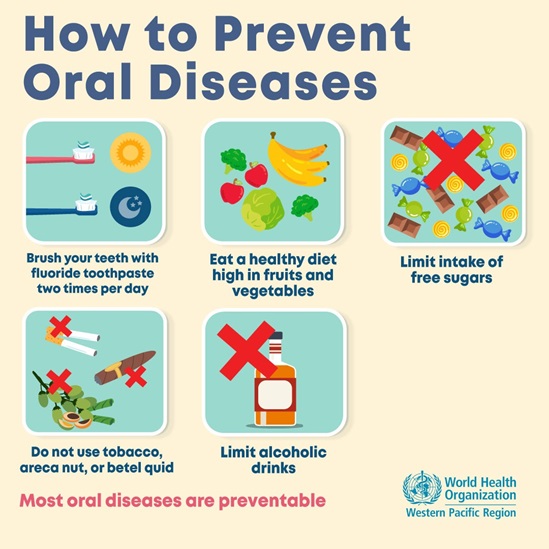
Get useful tips on maintaining good dental hygiene, from proper brushing techniques to flossing and mouthwash to combat bad breath.

The Role of Probiotics in Gum Health and Teeth Whitening

The Role of Probiotics in Gum Health and Teeth Whitening

The Surprising Link Between Probiotics, Gum Health, and Teeth Whitening

Hey everyone! So, you're probably familiar with probiotics – those beneficial bacteria that are all the rage in yogurt and supplements. But did you know they might be secretly working wonders for your smile too? Let's dive into the fascinating world of probiotics and how they can impact your gum health and even contribute to brighter teeth.

Understanding the Oral Microbiome: It's a Jungle in There!

Your mouth is a bustling metropolis of microorganisms – bacteria, viruses, fungi, you name it. This diverse community is called the oral microbiome, and it plays a HUGE role in your overall oral health. A balanced microbiome is like a well-oiled machine, keeping things running smoothly. But an imbalance, often triggered by things like poor diet, stress, or illness, can lead to problems.

Think of it like this: good bacteria are the hardworking sanitation workers, keeping things clean and preventing harmful bacteria from taking over. Bad bacteria, on the other hand, are like mischievous vandals, causing inflammation, cavities, and gum disease.

The Role of Bad Bacteria in Gum Disease

Gum disease, or periodontal disease, is a serious issue that can lead to tooth loss if left untreated. It all starts with plaque – a sticky film that forms on your teeth. This plaque is a breeding ground for harmful bacteria that produce toxins. These toxins irritate your gums, causing inflammation (gingivitis), and if left unchecked, can lead to more serious periodontal disease, where the tissues and bone supporting your teeth are damaged.

Probiotics: The Good Guys in Your Mouth

This is where probiotics come in! These beneficial bacteria can help restore balance to your oral microbiome by:

  • Competing with harmful bacteria: They literally fight for space and resources, limiting the growth of bad bacteria.
  • Producing antimicrobial substances: Some probiotics produce compounds that directly kill or inhibit the growth of harmful bacteria.
  • Boosting your immune system: They help your immune system recognize and fight off harmful invaders more effectively.
  • Reducing inflammation: By tackling the root cause of inflammation, they can help soothe irritated gums and reduce the severity of gum disease.

It's important to note that not all probiotics are created equal. Different strains have different effects, so it's crucial to choose strains that have been shown to be beneficial for oral health. Some promising strains include Lactobacillus and Bifidobacterium species.

Probiotics and Teeth Whitening: A Surprising Connection

While the evidence isn't as strong as it is for gum health, some research suggests that probiotics might play a role in teeth whitening, albeit indirectly. Remember that plaque buildup is a major culprit in staining. By reducing plaque formation and inflammation, probiotics can help maintain a cleaner, whiter smile.

A cleaner mouth naturally leads to less staining. Think of it like this: if you keep your car clean regularly, it will naturally stay cleaner longer. Similarly, by supporting a healthy oral microbiome with probiotics, you're indirectly contributing to brighter teeth.

It's important to manage expectations here. Probiotics aren't a miracle teeth whitening solution. They won't replace professional whitening treatments. However, they can be a valuable addition to your overall oral hygiene routine, helping to maintain a healthier and brighter smile.

How to Incorporate Probiotics into Your Oral Health Routine

There are several ways to introduce more probiotics into your life, supporting both your gut and oral health:

  • Probiotic yogurt and fermented foods: Enjoy yogurt, kefir, kimchi, sauerkraut, and other fermented foods regularly. Look for labels that specify the strains of probiotics they contain.
  • Probiotic supplements: Many supplements are available, but always consult your doctor or dentist before starting any new supplement regimen. They can advise on the appropriate dosage and strain selection based on your specific needs.
  • Probiotic mouthwashes and toothpastes: Some companies are now producing oral care products containing probiotics. However, be sure to look for reputable brands and carefully read the ingredients.
  • Maintain a healthy diet: A balanced diet rich in fruits, vegetables, and whole grains supports a healthy microbiome overall.

Important Considerations

It's crucial to remember that probiotics are not a replacement for good oral hygiene practices. You should still brush and floss regularly, visit your dentist for checkups and cleanings, and address any existing oral health issues promptly.

Furthermore, the research on probiotics and oral health is still ongoing. While promising results have emerged, more studies are needed to fully understand the extent of their benefits and determine optimal usage.

Commonly Asked Questions

Q: Will probiotics whiten my teeth overnight?

A: No, probiotics won't magically whiten your teeth overnight. They work gradually by improving overall oral health, which contributes to brighter teeth over time.

Q: Are there any side effects of using probiotics for oral health?

A: Generally, probiotics are considered safe. However, some people may experience mild side effects such as gas or bloating, especially when starting a new probiotic regimen. If you experience any adverse reactions, discontinue use and consult your doctor or dentist.

Q: Can probiotics cure gum disease?

A: Probiotics can help manage gum disease by reducing inflammation and combating harmful bacteria. However, they are not a cure and should be used in conjunction with professional dental care.

Q: How long does it take to see results from using oral probiotics?

A: The time it takes to see results can vary depending on individual factors, the type of probiotic used, and the severity of any existing oral health problems. You may start noticing improvements in your gum health within a few weeks, but maintaining consistent use is key.

Q: Should I consult my dentist before using oral probiotics?

A: While generally safe, it's always a good idea to discuss any new supplements or oral care products with your dentist, especially if you have existing oral health conditions.

Remember, a healthy smile starts with a healthy mouth! By embracing good oral hygiene practices and considering the potential benefits of probiotics, you can take a proactive approach to maintaining a stunning and healthy smile for years to come. Happy smiling!

Share:

How to Naturally Cure Bad Breath from Sinus Issues

How to Naturally Cure Bad Breath from Sinus Issues

Naturally Addressing Halitosis Associated with Sinus Conditions

Halitosis, commonly known as bad breath, can be a distressing condition, often stemming from various sources. While poor oral hygiene is a frequent culprit, chronic sinus issues can significantly contribute to persistent bad breath. The post-nasal drip associated with sinusitis, for instance, can lead to the accumulation of bacteria and mucus in the back of the throat, resulting in an unpleasant odor. Fortunately, several natural remedies can help alleviate sinus-related halitosis, improving both breath freshness and overall well-being. However, it is crucial to understand that these methods should be considered complementary to, and not replacements for, professional medical advice. If halitosis persists despite implementing these strategies, consulting an ENT specialist or physician is essential to rule out underlying medical conditions.

Understanding the Link Between Sinuses and Bad Breath

The intricate connection between the sinuses and halitosis lies in the physiology of the upper respiratory system. The paranasal sinuses are air-filled cavities located within the bones of the skull, surrounding the nasal cavity. Their function involves humidifying and warming inhaled air, as well as contributing to the resonance of the voice. When these sinuses become inflamed, a condition known as sinusitis, the mucous membranes lining the sinuses swell, producing excessive mucus. This mucus, laden with bacteria and inflammatory cells, can drain down the back of the throat (post-nasal drip), leading to a breeding ground for odor-causing bacteria.

The Role of Bacteria in Sinus-Related Halitosis

Several types of bacteria thrive in the moist environment created by post-nasal drip. These bacteria produce volatile sulfur compounds (VSCs), such as hydrogen sulfide and methyl mercaptan, which are responsible for the characteristic foul odor of bad breath. The accumulation of these compounds in the back of the throat, combined with the presence of decaying food particles or other organic matter, significantly exacerbates halitosis.

Natural Remedies for Sinus-Related Bad Breath

Addressing sinus-related halitosis necessitates a multifaceted approach, focusing on both alleviating the underlying sinus condition and improving oral hygiene. The following natural remedies can prove beneficial:

Hydration and Saline Rinses

Adequate hydration is paramount in thinning mucus and facilitating its drainage. Drinking plenty of water throughout the day helps flush out the accumulated mucus from the sinuses and throat, reducing the bacterial load and minimizing the production of VSCs. Complementing water intake with saline nasal rinses can further enhance mucus clearance. Saline solutions, readily available at pharmacies or easily prepared at home (using distilled water, salt, and baking soda), help wash away trapped irritants and bacteria within the nasal passages, preventing them from draining into the throat.

Herbal Remedies and Essential Oils

Certain herbal remedies and essential oils possess anti-inflammatory and antimicrobial properties that can aid in managing sinusitis and reducing bad breath. Eucalyptus oil, known for its decongestant and antimicrobial effects, can be inhaled using a diffuser or added to a steam inhalation. Peppermint oil, with its refreshing properties, can help freshen breath and alleviate congestion. However, it is essential to use these oils diluted in a carrier oil (like coconut or almond oil) to avoid skin irritation. Ginger, a potent anti-inflammatory, can be consumed as a tea or added to food to reduce inflammation and promote sinus drainage. Always consult with a healthcare professional before using essential oils, particularly if you have pre-existing conditions or are pregnant or breastfeeding.

Dietary Modifications

Dietary choices play a crucial role in both overall health and breath freshness. A diet rich in fruits and vegetables, abundant in antioxidants and vitamins, supports the immune system and helps combat infection. Avoiding foods that contribute to mucus production, such as dairy products and refined sugars, can also be beneficial. Furthermore, incorporating foods with natural antibacterial properties, such as garlic, onions, and citrus fruits, can contribute to a healthier oral and nasal environment. However, it is important to note that some of these foods, while beneficial in moderation, may temporarily affect breath odor themselves.

Improving Oral Hygiene Practices

Maintaining meticulous oral hygiene is essential, regardless of the cause of bad breath. Brushing and flossing twice daily remove food particles and plaque, preventing bacterial growth and reducing oral malodor. Using an antibacterial mouthwash can provide additional support in combating oral bacteria. Regular visits to the dentist are crucial for professional cleaning and early detection of any dental issues that might be contributing to bad breath.

Humidification

Dry air can exacerbate sinus issues, leading to thicker mucus and increased post-nasal drip. Using a humidifier, especially during dry seasons or in dry climates, can help maintain adequate moisture levels in the nasal passages, thinning mucus and improving drainage. This can contribute to reducing the severity of sinusitis and the associated bad breath.

Neti Pot Usage

A neti pot is a small container used to rinse the nasal passages with a saline solution. This helps to remove irritants, allergens, and excess mucus from the nasal passages, thereby improving sinus drainage and reducing post-nasal drip, a significant contributor to bad breath. It's crucial to use distilled or sterile water to avoid the risk of infection.

When to Seek Professional Medical Attention

While natural remedies can provide significant relief from sinus-related halitosis, it's crucial to seek professional medical attention if the condition persists or worsens. Persistent bad breath, despite consistent efforts to address it, may indicate an underlying medical issue requiring diagnosis and treatment. Similarly, if you experience other symptoms like facial pain, fever, or severe nasal congestion, consult a physician immediately.

A healthcare professional can accurately diagnose the cause of your halitosis and recommend appropriate treatment, which may include antibiotics for bacterial infections, decongestants to relieve congestion, or other medical interventions depending on the underlying cause.

In conclusion, addressing sinus-related bad breath requires a holistic approach combining natural remedies with diligent oral hygiene and, when necessary, professional medical consultation. By understanding the connection between sinus health and halitosis, individuals can take proactive steps to improve their breath freshness and overall well-being.

Share:

How to Treat Bad Breath from Acid Reflux Naturally

How to Treat Bad Breath from Acid Reflux Naturally

Banishing Bad Breath Naturally: Tackling Acid Reflux's Foul Odor

Ugh, bad breath. It's embarrassing, right? And when it's linked to acid reflux (also known as GERD or gastroesophageal reflux disease), it can feel like a double whammy. That sour, sometimes even rotten egg smell lingering in your mouth? Not fun. But don't worry, you're not alone, and there are ways to combat this naturally. This isn't a quick fix; consistent lifestyle changes are key, but the rewards – fresher breath and a happier gut – are totally worth it.

Understanding the Link Between Acid Reflux and Bad Breath

Before we dive into solutions, let's talk about *why* acid reflux causes bad breath. When stomach acid flows back up into your esophagus, it can also reach your mouth. This acid is corrosive and irritates the delicate tissues in your mouth and throat. This irritation can lead to a build-up of bacteria, which produces volatile sulfur compounds – the culprits behind that unpleasant smell. It's not just the acid itself; the process of your body trying to neutralize the acid also contributes to the odor. It's a bit of a smelly chain reaction!

Natural Ways to Freshen Your Breath and Soothe Your Reflux

The good news is that you can fight back against reflux-related bad breath naturally. It requires a multi-pronged approach, targeting both the root cause (the reflux) and the symptoms (the bad breath). Here's a breakdown of effective strategies:

Dietary Changes: Fueling Your Body for Fresh Breath

What you eat plays a HUGE role. Some foods are notorious for triggering reflux, and consequently, bad breath. Think spicy foods, fatty meals, chocolate, caffeine, alcohol, and carbonated drinks. These can relax the lower esophageal sphincter (LES), the muscle that keeps stomach acid down where it belongs. A relaxed LES is an open invitation for reflux!

Here's what you can do:

  • Eat smaller, more frequent meals: This prevents your stomach from becoming overly full and putting pressure on the LES.
  • Choose low-acid foods: Think lean proteins, fruits (except citrus), and vegetables. Experiment to see what your body tolerates well.
  • Stay hydrated: Water helps neutralize stomach acid and keeps your mouth moist, preventing dry mouth, a breeding ground for bacteria.
  • Eliminate trigger foods: Keep a food diary to identify your personal culprits. This might take some time and experimentation, but it's worth it!
  • Consider a low-FODMAP diet: For some, a low-FODMAP diet (low in fermentable oligosaccharides, disaccharides, monosaccharides, and polyols) can help reduce gas and bloating, which can worsen reflux.

Lifestyle Adjustments: Small Changes, Big Impact

Beyond diet, lifestyle modifications are equally crucial:

  • Maintain a healthy weight: Excess weight puts pressure on your abdomen, worsening reflux.
  • Elevate your head while sleeping: Use extra pillows or a wedge pillow to keep your head and upper body elevated. This prevents stomach acid from flowing back up.
  • Quit smoking: Smoking weakens the LES, making reflux more likely. This is a big one for both your breath and overall health.
  • Manage stress: Stress can exacerbate reflux. Find healthy ways to manage stress, such as yoga, meditation, or spending time in nature.
  • Avoid tight clothing: Tight clothing around your abdomen can increase pressure on your stomach.
  • Eat slowly and mindfully: Give your body time to digest your food properly.

Herbal Remedies and Natural Supplements: Supporting Your Digestive System

Many herbal remedies and natural supplements may help soothe reflux and improve digestion, indirectly improving breath. However, it's crucial to consult your doctor before trying any supplements, especially if you're on medication.

Some commonly used options (always under doctor supervision) include:

  • Ginger: Known for its anti-inflammatory properties and ability to soothe the digestive system.
  • Aloe vera juice: Can help soothe the irritated esophageal lining.
  • Deglycyrrhizinated licorice (DGL): May help protect the stomach lining.
  • Slippery elm: A soothing demulcent that can coat and protect the esophagus.

Disclaimer: I'm not a medical professional, and this information is not a substitute for medical advice. Always talk to your doctor before making significant dietary changes or starting any new supplements, especially if you have underlying health conditions.

Oral Hygiene Practices: Keeping Your Mouth Fresh

Even with the best reflux management, good oral hygiene is essential for fresh breath. This involves:

  • Brushing and flossing regularly: At least twice a day, and after meals if possible.
  • Using a tongue scraper: This helps remove bacteria from the surface of your tongue, a major contributor to bad breath.
  • Rinsing with mouthwash: Choose an alcohol-free mouthwash to avoid drying out your mouth.

When to See a Doctor

While natural remedies can be very effective, it's essential to consult your doctor if your bad breath persists despite lifestyle changes or if you experience other symptoms like:

  • Chest pain
  • Difficulty swallowing
  • Persistent heartburn
  • Weight loss
  • Vomiting blood or black, tarry stools

These could indicate more serious underlying health issues that require medical attention.

Frequently Asked Questions

Q: Will eliminating all acidic foods cure my bad breath?

A: While reducing acidic foods can help, it's not a guaranteed cure. Acid reflux is complex, and often several factors contribute to it. A holistic approach targeting diet, lifestyle, and stress management is generally more effective.

Q: How long does it take to see improvement?

A: This varies greatly depending on the individual and the severity of their reflux. You might notice some improvement within a few weeks of making lifestyle changes, but it can take several months to see significant changes.

Q: Can I use baking soda to neutralize stomach acid?

A: While baking soda is alkaline and can neutralize acid, it's not a long-term solution for acid reflux. It can also have potential side effects if used excessively. It's better to address the root cause of the reflux.

Q: Are there any quick fixes for bad breath from reflux?

A: Unfortunately, there aren't any quick fixes. Consistent lifestyle changes and addressing the underlying reflux are key to long-term breath improvement. However, good oral hygiene practices can help manage symptoms in the meantime.

Q: My bad breath is really embarrassing. What can I do socially?

A: It's completely understandable to feel embarrassed. While you work on addressing the underlying cause, keeping mints or gum (sugar-free) handy can provide temporary relief. Open communication with close friends and family can also help manage social situations.

Share:

Top Probiotics for Improving Oral Health and Preventing Tooth Sensitivity

Top Probiotics for Improving Oral Health and Preventing Tooth Sensitivity

Top Probiotics for Improving Oral Health and Preventing Tooth Sensitivity

Tooth sensitivity, that sharp, shooting pain when you bite into something cold, hot, or sweet, plagues millions. Beyond the discomfort, it often signals underlying oral health issues. Fortunately, emerging research highlights the powerful role of probiotics in combating these problems. These beneficial bacteria, when introduced into the mouth, can help restore the natural balance of your oral microbiome, leading to improved gum health, reduced inflammation, and potentially, less sensitivity.

Understanding the Oral Microbiome and its Link to Sensitivity

Your mouth is a complex ecosystem teeming with bacteria – both good and bad. A healthy balance is crucial for strong teeth and gums. When the "bad" bacteria outnumber the "good," an imbalance occurs, leading to conditions like gingivitis, periodontitis, and even tooth decay. These conditions can damage the enamel and dentin, exposing the sensitive inner layers of your teeth, resulting in pain. Probiotics, essentially beneficial bacteria, work by re-establishing this balance, inhibiting the growth of harmful bacteria and promoting a healthier environment.

Probiotic Strains Showcasing Promise for Oral Health

While research is ongoing, several probiotic strains have shown promising results in improving oral health and potentially reducing tooth sensitivity. These are not a replacement for regular dental checkups and good oral hygiene, but rather a valuable addition to your oral health routine.

Lactobacillus rhamnosus

Studies suggest that Lactobacillus rhamnosus may effectively combat harmful bacteria associated with gingivitis and periodontitis. By reducing inflammation and promoting a healthy gum line, it indirectly contributes to reducing the risk of tooth sensitivity stemming from gum recession. This strain also demonstrates the ability to produce antimicrobial substances that inhibit the growth of cavity-causing bacteria. Incorporating foods rich in L. rhamnosus, or a supplement containing this strain, could be a beneficial addition to your oral health strategy.

Lactobacillus salivarius

Another notable strain is Lactobacillus salivarius, a naturally occurring bacterium in the oral cavity. This probiotic actively produces lactic acid, which helps to control pH levels in the mouth. Maintaining a balanced pH is critical in preventing tooth decay and enamel erosion, both of which can contribute to sensitivity. Several studies have demonstrated the efficacy of L. salivarius in reducing plaque formation and gingivitis, thereby indirectly supporting healthier teeth and gums and potentially less sensitivity.

Streptococcus salivarius K12

Streptococcus salivarius K12 is a unique probiotic strain known for its ability to inhibit the growth of Streptococcus mutans, a major contributor to tooth decay. By suppressing this harmful bacterium, S. salivarius K12 helps maintain a healthier oral environment. This reduction in decay minimizes the likelihood of cavities reaching the inner layers of the teeth, thereby reducing the chances of developing tooth sensitivity.

Incorporating Probiotics into Your Oral Health Routine

There are several ways to introduce these beneficial bacteria into your oral health regimen. You can:

  • Consume probiotic-rich foods: Yogurt, kefir, sauerkraut, and kimchi are excellent sources of beneficial bacteria. Look for products specifically mentioning the strains discussed above.
  • Use probiotic toothpaste or mouthwash: Several brands now offer oral care products containing specific probiotic strains. Always check the label to ensure the product contains the desired strains and is backed by research.
  • Consider probiotic supplements: Probiotic supplements, available in capsule or powder form, offer a concentrated dose of beneficial bacteria. Consult with your dentist or a healthcare professional before starting any new supplement regime to ensure it is appropriate for your individual needs and doesn't interact with any medications you may be taking.

Important Note: While probiotics hold immense promise, they are not a miracle cure. Maintaining excellent oral hygiene practices, including brushing twice daily, flossing regularly, and visiting your dentist for regular checkups, remains crucial for overall oral health and managing tooth sensitivity. Probiotics are a valuable addition to your existing routine, not a replacement for essential dental care.

Share:

Say Goodbye to Bad Breath with Baking Soda Remedies

Say Goodbye to Bad Breath with Baking Soda Remedies

Say Goodbye to Bad Breath with Baking Soda Remedies!

Hey there! Let's talk about something we all secretly worry about – bad breath, or halitosis. Nobody wants to be that person, right? Luckily, there's a simple, affordable, and surprisingly effective solution readily available in most kitchens: baking soda! Before we dive into the amazing ways baking soda can banish bad breath, let's quickly chat about *why* we get it in the first place.

Understanding the Root of the Problem: Why Do We Get Bad Breath?

Bad breath isn't just about what you ate for lunch (though that certainly plays a part!). It's often a result of a complex interplay of factors. Think of your mouth as a little ecosystem – a thriving community of bacteria. These bacteria, while mostly harmless, break down food particles and produce volatile sulfur compounds (VSCs), and these are the culprits behind that unpleasant odor.

Other contributors to bad breath include:

  • Poor oral hygiene: Not brushing and flossing regularly allows bacteria to build up, leading to a breeding ground for odor-causing compounds.
  • Dry mouth (xerostomia): Saliva helps neutralize acids and wash away food particles and bacteria. When your mouth is dry, bacteria thrive.
  • Certain foods and drinks: Garlic, onions, coffee, and alcohol are notorious for causing temporary bad breath.
  • Medical conditions: Some health issues, such as gum disease (periodontal disease), diabetes, and respiratory infections, can contribute to persistent bad breath.
  • Tobacco use: Smoking and chewing tobacco significantly increase the risk of bad breath and many other health problems.

So, while a quick mint might mask the smell temporarily, baking soda tackles the underlying issue – it neutralizes the acids that contribute to bad breath and helps create a less hospitable environment for bacteria.

Baking Soda: Your Secret Weapon Against Bad Breath

Baking soda, or sodium bicarbonate, is a mild alkali. This means it can neutralize acids, making your mouth less acidic and less inviting to those pesky bacteria. Its abrasive nature also helps gently scrub away food particles that can contribute to odor.

Baking Soda Toothpaste: A Simple DIY Solution

Making your own baking soda toothpaste is surprisingly easy! Simply mix a small amount of baking soda (about 1/2 teaspoon) with a little bit of water to create a paste. Gently brush your teeth with this mixture for about two minutes, then rinse thoroughly. Important Note: While baking soda is great for occasional use, don't use it as your primary toothpaste every day, as it can be abrasive over time.

You can also enhance your DIY paste by adding a few drops of essential oil like peppermint or tea tree oil for a refreshing flavor and added antimicrobial properties. Remember to always patch-test any essential oils on a small area of your skin before applying it to your mouth to check for allergies.

Baking Soda Mouthwash: A Refreshing Rinse

Another simple and effective method is to make a baking soda mouthwash. Dissolve 1/2 to 1 teaspoon of baking soda in about 8 ounces of warm water. Swish this solution around in your mouth for at least 30 seconds before spitting it out. You can do this once or twice a day, but remember not to swallow the solution.

For an extra boost, consider adding a pinch of salt to your baking soda mouthwash. Salt has natural antibacterial properties and can further help combat bad breath.

Baking Soda and Hydrogen Peroxide: A Powerful Combination (Use with Caution)

Hydrogen peroxide, when diluted properly, possesses antiseptic properties that can help kill bacteria. Combining it with baking soda can create a more potent solution for fighting bad breath, but proceed with caution. Never use undiluted hydrogen peroxide in your mouth.

A safe approach is to mix a small amount of baking soda with a 3% hydrogen peroxide solution diluted with an equal part of water. Use this mixture sparingly as a mouth rinse, swishing gently for about 30 seconds before rinsing thoroughly with plain water. Because of its bleaching properties, avoid using this mixture too frequently to prevent tooth enamel damage.

Beyond Baking Soda: Maintaining Fresh Breath

While baking soda is a great tool, it's not a miracle cure. For long-term fresh breath, you need a comprehensive approach:

  • Brush and floss regularly: Aim for at least twice a day, using fluoride toothpaste.
  • Clean your tongue: Bacteria can accumulate on your tongue, contributing to bad breath. Use a tongue scraper or brush your tongue gently each time you brush your teeth.
  • Drink plenty of water: Staying hydrated helps keep your mouth moist and washes away food particles.
  • Eat a healthy diet: Avoid foods known to cause bad breath.
  • Visit your dentist regularly: Regular checkups and cleanings are essential for maintaining good oral health.

Frequently Asked Questions (FAQs)

Q: Can I use baking soda every day as my primary toothpaste?

A: While baking soda is great for occasional use, daily use as your primary toothpaste can be too abrasive for your teeth over time. It's best to use it 1-2 times a week at most.

Q: Is baking soda safe for sensitive teeth?

A: People with sensitive teeth may find baking soda a bit abrasive. If you have sensitive teeth, start with a very small amount and see how your teeth react. If you experience any discomfort, stop using it and talk to your dentist.

Q: Will baking soda whiten my teeth?

A: Baking soda has mild whitening properties due to its gentle abrasive action. However, it's not a replacement for professional teeth whitening treatments.

Q: My bad breath persists even after using baking soda. What should I do?

A: Persistent bad breath can indicate an underlying medical condition. It's essential to see your dentist or doctor to rule out any health problems.

Q: Can I swallow baking soda mouthwash?

A: No, do not swallow baking soda mouthwash. It's meant for external use only.

Remember, while baking soda can be a fantastic addition to your oral hygiene routine, it's crucial to maintain good overall dental habits for lasting fresh breath. If you have concerns about your breath, always consult with your dentist or doctor.

Share:

How Probiotics Help Prevent Gum Inflammation and Promote Healing

How Probiotics Help Prevent Gum Inflammation and Promote Healing

The Role of Probiotics in the Prevention and Treatment of Gum Inflammation

Gum inflammation, clinically known as gingivitis, is a prevalent oral health issue characterized by redness, swelling, and bleeding of the gums. If left untreated, it can progress to periodontitis, a more severe form of gum disease that can lead to tooth loss and systemic health complications. While traditional treatments such as meticulous oral hygiene and professional cleaning are crucial, emerging research highlights the potential of probiotics in preventing and managing gum inflammation. This article will delve into the mechanisms by which probiotics contribute to oral health, focusing specifically on their role in mitigating gingivitis and promoting gum tissue healing.

The Oral Microbiome and its Influence on Gum Health

The human mouth harbors a complex and dynamic ecosystem of microorganisms, collectively known as the oral microbiome. This intricate community comprises bacteria, fungi, viruses, and archaea, which interact with each other and the host's immune system. A balanced oral microbiome is crucial for maintaining oral health. However, an imbalance, or dysbiosis, characterized by an overgrowth of pathogenic bacteria, can disrupt this equilibrium, leading to the development of various oral diseases, including gingivitis.

The Role of Pathogenic Bacteria in Gingivitis

Specific bacteria, such as Porphyromonas gingivalis, Tannerella forsythia, and Aggregatibacter actinomycetemcomitans, are strongly associated with the pathogenesis of gingivitis and periodontitis. These bacteria produce various virulence factors, including lipopolysaccharides (LPS), gingipains, and other enzymes, that contribute to the inflammation process. LPS triggers an inflammatory response in the gums, leading to the characteristic symptoms of gingivitis: redness, swelling, bleeding, and ultimately, potential bone loss in advanced stages.

Restoring Microbial Balance through Probiotics

Probiotics, defined as live microorganisms that confer a health benefit on the host when administered in adequate amounts, offer a promising approach to modulate the oral microbiome and combat gum inflammation. By introducing beneficial bacteria into the oral cavity, probiotics can potentially restore the balance of the microbiome, suppressing the growth of pathogenic bacteria and promoting a healthier environment for gum tissue.

Mechanisms of Probiotic Action in Gum Health

The beneficial effects of probiotics on gum health are mediated through several mechanisms:

Competitive Exclusion

Probiotics can compete with pathogenic bacteria for adhesion sites on the tooth surface and gingival epithelium. By occupying these sites, probiotics effectively reduce the colonization and growth of harmful bacteria, limiting their ability to produce virulence factors and induce inflammation.

Production of Antimicrobial Substances

Certain probiotic strains produce antimicrobial substances, such as bacteriocins and organic acids, that inhibit the growth of pathogenic bacteria. These substances can directly target and kill harmful bacteria, further contributing to the restoration of microbial balance.

Modulation of the Immune Response

Probiotics can interact with the host's immune system, modulating both innate and adaptive immune responses. They can stimulate the production of antimicrobial peptides and cytokines, enhancing the host's defense against pathogenic bacteria. Furthermore, some probiotics can suppress the excessive inflammatory response triggered by pathogenic bacteria, reducing gum inflammation and tissue damage.

Strengthening the Gingival Barrier

A healthy gingival barrier is crucial for preventing bacterial penetration and inflammation. Probiotics may contribute to strengthening this barrier by stimulating the production of tight junction proteins, which enhance the integrity of the gingival epithelium. This improved barrier function helps prevent the entry of pathogenic bacteria and their associated virulence factors into the underlying tissues.

Specific Probiotic Strains and their Effects on Gum Health

Several probiotic strains have demonstrated promising results in preclinical and clinical studies regarding their potential to improve gum health. These include:

  • Lactobacillus rhamnosus
  • Lactobacillus reuteri
  • Streptococcus salivarius K12
  • Bifidobacterium bifidum

These strains exhibit varying mechanisms of action, including competitive exclusion, antimicrobial substance production, and modulation of the immune response. However, more research is needed to fully elucidate their individual contributions and optimize their application for effective gum disease management.

Clinical Evidence and Future Directions

While promising, the evidence supporting the use of probiotics for gum health is still evolving. Several clinical trials have shown positive results, indicating a reduction in gingival inflammation and bleeding scores in individuals using probiotic interventions. However, the results have been inconsistent across studies, potentially due to factors such as differences in probiotic strains, delivery methods, study designs, and patient populations.

Further research is needed to address these inconsistencies and to establish standardized protocols for probiotic use in gum disease management. This includes large-scale, randomized controlled trials with well-defined inclusion and exclusion criteria, consistent probiotic strains and dosages, and comprehensive outcome measures. Furthermore, research should focus on identifying optimal probiotic combinations and delivery methods, such as mouthwashes, gels, or lozenges, to enhance their efficacy and patient compliance.

Challenges and Limitations

Despite the potential benefits, challenges remain in translating the promising preclinical findings into widespread clinical application. These challenges include:

  • Variability in probiotic strains and formulations: Different strains exhibit different efficacy, making standardization crucial.
  • Limited understanding of long-term effects: Long-term studies are needed to assess the sustained effects of probiotic interventions on gum health.
  • Individual variability in response: Individual responses to probiotics vary significantly, requiring personalized approaches.
  • Lack of regulatory frameworks: Clear regulatory guidelines for probiotic products are essential to ensure safety and efficacy.

Addressing these challenges through rigorous scientific investigation and collaboration between researchers, clinicians, and industry will pave the way for the wider adoption of probiotics as a valuable adjunct to conventional treatments for the prevention and management of gum inflammation.

In conclusion, while more research is needed to fully realize the therapeutic potential of probiotics in managing gum inflammation, the available evidence suggests that they offer a promising avenue for improving oral health. Their ability to modulate the oral microbiome, strengthen the gingival barrier, and modulate the immune response makes them a valuable tool in the fight against gingivitis and its progression to more severe forms of gum disease. The future of oral healthcare may well involve a more holistic approach, integrating conventional treatments with the innovative use of probiotics to achieve optimal outcomes for patients.

Share:

Oral Probiotics: A Natural Solution for Tartar Prevention and Oral Health

Oral Probiotics: A Natural Solution for Tartar Prevention and Oral Health

Oral Probiotics: A Natural Solution for Tartar Prevention and Oral Health

Dental plaque, a biofilm composed of bacteria, is the precursor to dental caries (cavities) and periodontal disease. While meticulous oral hygiene practices are crucial for maintaining oral health, emerging research highlights the potential of oral probiotics as a complementary approach to preventing dental plaque accumulation and the subsequent formation of tartar (calculus).

This article explores the current understanding of oral probiotics, their mechanisms of action in preventing tartar formation, and the evidence supporting their efficacy in improving overall oral health. It also addresses limitations of current research and future directions in this rapidly evolving field.

Understanding the Oral Microbiome and Tartar Formation

The oral cavity harbors a complex and diverse microbial ecosystem, commonly referred to as the oral microbiome. This microbiome is a dynamic community of bacteria, fungi, viruses, and archaea, interacting with each other and the host's tissues. A balanced oral microbiome is essential for maintaining oral health. However, an imbalance, or dysbiosis, can lead to various oral diseases.

The Role of Bacteria in Tartar Formation

The formation of dental plaque is initiated by the adhesion of bacteria, primarily Streptococcus species, to the tooth surface. This initial colonization is followed by the accumulation of additional bacterial species, creating a complex biofilm structure. The continuous accumulation of plaque, if not removed through brushing and flossing, mineralizes over time, forming tartar or calculus. Tartar provides a rough surface that further facilitates bacterial colonization, exacerbating the inflammatory response and leading to gingivitis and periodontitis.

The Impact of Dysbiosis on Oral Health

Dysbiosis within the oral microbiome, characterized by an overgrowth of pathogenic bacteria, contributes significantly to the development of oral diseases. Specific bacterial species, such as Porphyromonas gingivalis and Aggregatibacter actinomycetemcomitans, are strongly associated with periodontitis, a severe inflammatory condition that can lead to tooth loss. The imbalance in the oral microbiome can disrupt the delicate equilibrium between beneficial and harmful bacteria, increasing the risk of plaque accumulation and tartar formation.

Oral Probiotics: Mechanisms of Action

Oral probiotics, defined as live microorganisms that confer a health benefit on the host when administered in adequate amounts, hold promise in modulating the oral microbiome and preventing dental diseases. Their mechanisms of action are multifaceted and involve several key processes:

Competitive Exclusion

Probiotic bacteria compete with pathogenic bacteria for adhesion sites on the tooth surface and for essential nutrients. By occupying these sites, probiotics effectively reduce the colonization of harmful bacteria, thus hindering plaque formation and reducing the risk of tartar development. This competitive exclusion is a significant mechanism by which probiotics exert their beneficial effects.

Production of Antimicrobial Substances

Many probiotic strains produce antimicrobial substances, such as bacteriocins and organic acids, that inhibit the growth and survival of pathogenic bacteria. These substances contribute to the suppression of harmful bacterial populations within the oral microbiome, maintaining a balance that favors oral health. This antimicrobial activity is a critical factor in preventing plaque accumulation and tartar formation.

Immunomodulation

Probiotics can modulate the host's immune response by interacting with immune cells in the oral mucosa. They can stimulate the production of antimicrobial peptides and cytokines, enhancing the host's defense mechanisms against bacterial infections. This immunomodulatory effect contributes to the overall improvement of oral health and reduces the susceptibility to periodontal diseases.

Enhancement of Salivary Factors

Some studies suggest that probiotics can positively influence salivary factors, such as salivary flow rate and the concentration of antimicrobial components in saliva. An increase in salivary flow rate improves the self-cleansing capacity of the mouth, while an increase in antimicrobial components enhances the innate defense mechanisms against bacterial colonization. These effects collectively contribute to a reduction in plaque formation and tartar buildup.

Evidence Supporting the Use of Oral Probiotics

While the research on the efficacy of oral probiotics in preventing tartar formation is still ongoing, several studies have shown promising results. Many studies have demonstrated a reduction in plaque and gingivitis scores in individuals using oral probiotic products. However, the quality of studies varies significantly and larger, well-designed clinical trials are needed to provide more definitive conclusions.

Types of Probiotics Used in Oral Health

Several strains of bacteria have shown potential benefits in oral health, including:

  • Lactobacillus rhamnosus
  • Lactobacillus reuteri
  • Streptococcus salivarius K12
  • Weissella cibaria

The specific efficacy of each strain can vary, and further research is needed to determine the optimal strains and dosages for different clinical applications.

Limitations and Future Directions

Despite the promising findings, several limitations exist in the current research on oral probiotics. The heterogeneity of study designs, the variability in probiotic strains used, and the short duration of many clinical trials make it challenging to draw definitive conclusions. Furthermore, the optimal delivery methods, dosages, and duration of treatment remain unclear.

Future research should focus on large-scale, randomized controlled trials with standardized protocols to assess the long-term efficacy and safety of various oral probiotic strains in preventing tartar formation and improving overall oral health. Investigating the interactions between different probiotic strains and their effects on the complex oral microbiome is also crucial. Furthermore, exploring the potential use of probiotics in conjunction with other preventive strategies, such as professional cleaning and improved oral hygiene practices, could lead to significant advancements in oral health care.

Conclusion

Oral probiotics present a promising natural approach for preventing tartar formation and improving oral health. Their multifaceted mechanisms of action, including competitive exclusion, antimicrobial substance production, and immunomodulation, contribute to the maintenance of a balanced oral microbiome and the reduction of plaque accumulation. While more research is needed to fully elucidate their efficacy and establish optimal treatment protocols, the existing evidence suggests that oral probiotics may offer a valuable complementary strategy in the prevention and management of dental diseases. Their integration into a comprehensive oral healthcare regimen, including regular brushing, flossing, and professional dental cleanings, may represent a significant advancement in preserving oral health and reducing the burden of dental diseases.

Share:

Why Probiotics Should Be a Key Part of Your Oral Hygiene Plan

Why Probiotics Should Be a Key Part of Your Oral Hygiene Plan

Unlocking a Healthier Smile: Why Probiotics Should Be a Key Part of Your Oral Hygiene Plan

Beyond brushing and flossing, a revolutionary approach to oral health is gaining traction: incorporating probiotics into your daily routine. While the familiar toothbrush and toothpaste remain essential, probiotics offer a powerful, natural way to bolster your mouth's defenses against harmful bacteria and improve overall oral health. This article delves into the science-backed benefits of probiotics for your smile, empowering you to take a proactive role in maintaining optimal oral hygiene.

The Microbial Battlefield in Your Mouth

Your mouth teems with a diverse community of microorganisms – bacteria, viruses, fungi, and even archaea. This complex ecosystem, often referred to as the oral microbiome, plays a vital role in both your oral and overall health. A balanced microbiome thrives on a harmonious relationship between beneficial and harmful bacteria. However, when the balance tips towards harmful species, the stage is set for oral diseases like gingivitis, periodontitis, and even cavities. Poor oral hygiene habits, a diet high in processed sugars, and certain medical conditions can all disrupt this delicate equilibrium, leading to inflammation and disease.

Probiotics: Your Oral Microbiome's Allies

Probiotics are live microorganisms, primarily beneficial bacteria and yeasts, that confer health benefits when consumed in adequate amounts. These beneficial bacteria work to restore balance in the oral microbiome by outcompeting harmful species for resources and space. They achieve this through various mechanisms: they produce substances that inhibit the growth of harmful bacteria; they enhance the production of antimicrobial compounds by the host; and they strengthen the immune response of your oral tissues. This multifaceted action makes probiotics a powerful tool in the fight against oral disease.

Specific Strains with Proven Benefits

Not all probiotics are created equal. Research points to specific strains demonstrating effectiveness in improving oral health. These include:

  • Lactobacillus reuteri: Shown to reduce plaque formation and gingivitis.
  • Lactobacillus rhamnosus: Demonstrates potential in combating oral pathogens.
  • Streptococcus salivarius: Known for its ability to inhibit the growth of *Streptococcus mutans*, a major cavity-causing bacteria.

Further research continues to identify additional strains with promising oral health benefits.

Incorporating Probiotics into Your Oral Hygiene Routine

Integrating probiotics into your oral care is surprisingly simple. You can find probiotic products specifically formulated for oral health, including mouthwashes, lozenges, and even toothpastes. These products contain carefully selected strains known for their positive impact on the oral microbiome. Alternatively, you can increase your consumption of probiotic-rich foods like yogurt, kefir, and fermented vegetables. Remember to check the labels for information on the specific strains included and their guaranteed colony-forming units (CFUs) for optimal effectiveness. Always consult with your dentist or healthcare provider before making significant changes to your oral hygiene regimen, especially if you have pre-existing health conditions.

Beyond the Bacteria: A Holistic Approach

Probiotics are not a magic bullet. Maintaining a comprehensive oral hygiene routine remains crucial. This includes brushing your teeth twice a day with fluoride toothpaste, flossing daily, and visiting your dentist regularly for checkups and professional cleanings. Probiotics are best viewed as a complementary approach, working synergistically with your existing oral care practices to enhance the overall effectiveness of your strategy. By combining the power of probiotics with good hygiene habits, you're investing in a healthier, happier smile for years to come.

Share:

How to Treat Gum Infection from Smoking with Natural Remedies

How to Treat Gum Infection from Smoking with Natural Remedies

Tackling Gum Infections Caused by Smoking: Natural Approaches

Hey there! So, you're dealing with a gum infection and you smoke? That's a tough combination, I know. Smoking seriously messes with your gum health, making you much more susceptible to gingivitis and periodontitis (gum disease). But don't worry, we're going to explore some natural remedies that can help soothe those irritated gums and get you back on track. Remember, though – these natural methods are *supplementary* to proper dental care. They're not a replacement for seeing your dentist!

Before we dive into the remedies, let's quickly understand why smoking makes gum infections worse. Smoking reduces blood flow to your gums, hindering their ability to heal. It also weakens your immune system, making it harder to fight off infection. Plus, the irritating chemicals in smoke directly damage gum tissue. So, quitting smoking is the *best* thing you can do for your gum health – seriously, it's a game-changer. But while you're working on quitting (or if you've already quit and are still dealing with the aftermath), let's look at some natural ways to help.

Natural Remedies to Soothe Infected Gums

These remedies aim to reduce inflammation, fight infection, and promote healing. Remember consistency is key! You won't see overnight miracles, but regular use can make a real difference.

The Power of Saltwater Rinses

This is a classic for a reason! Saltwater rinses are super simple and surprisingly effective. The salt helps to draw out fluid from the inflamed gums, reducing swelling and pain. It also has some mild antibacterial properties. To make a rinse, just dissolve about half a teaspoon of salt in a cup of warm water. Swish it around your mouth for about 30-60 seconds, then spit it out. Do this several times a day, especially after meals.

Healing Herbs: The Goodness of Nature

Several herbs have anti-inflammatory and antibacterial properties that can be beneficial for gum infections. Let's explore a few:

  • Tea Tree Oil: Dilute a few drops of tea tree oil in a small amount of water (be careful not to use it undiluted, as it can irritate your gums). Swish it around gently for a minute or two and then spit it out. Tea tree oil has powerful antibacterial and antimicrobial effects.
  • Sage: Sage tea can be used as a rinse. Simply steep a sage tea bag in hot water, let it cool slightly, and then use it as a mouth rinse. Sage has natural anti-inflammatory properties.
  • Aloe Vera: Aloe vera gel is known for its soothing and anti-inflammatory properties. You can apply a small amount directly to your infected gums. Make sure it's pure aloe vera gel, without added ingredients.
  • Turmeric: This potent spice has anti-inflammatory and antibacterial qualities. You can make a paste by mixing turmeric powder with a little water and applying it to your gums. Be aware it can stain, so be careful!

Improving Your Diet for Gum Health

What you eat plays a crucial role in your overall health, including your gum health. Focus on a diet rich in:

  • Fruits and Vegetables: These are packed with vitamins and antioxidants that support a healthy immune system and help fight inflammation.
  • Vitamin C-rich foods: Vitamin C is essential for collagen production, which is vital for healthy gums. Good sources include citrus fruits, berries, and leafy greens.
  • Calcium and Vitamin D: These are crucial for strong bones and teeth, which indirectly supports healthier gums.

Try to limit sugary foods and processed foods, as these can contribute to gum disease.

Beyond the Remedies: Lifestyle Changes

Remember, treating a gum infection is a holistic approach. Beyond the natural remedies, these lifestyle changes can significantly improve your gum health:

  • Quit Smoking: This is the single most important thing you can do. Your gums will thank you immensely!
  • Proper Oral Hygiene: Brush your teeth at least twice a day with a soft-bristled toothbrush, and floss daily. This is non-negotiable!
  • Stress Management: Chronic stress can weaken your immune system and worsen gum disease. Find healthy ways to manage stress, like exercise, meditation, or yoga.
  • Regular Dental Checkups: See your dentist regularly for professional cleanings and checkups. Early detection and treatment of gum disease are key.

Important Note: When to See a Dentist

While these natural remedies can offer relief, they're not a replacement for professional dental care. If your gum infection is severe, accompanied by severe pain, swelling, or bleeding, see your dentist immediately. You may need antibiotics or other professional treatments to address the infection effectively. Don't delay seeking professional help if you're experiencing significant symptoms.

Commonly Asked Questions

Here are some questions people often ask about gum infections and natural remedies:

Q: How long will it take for natural remedies to work?

A: This varies depending on the severity of the infection and your individual response. You might see some improvement within a few days, but it often takes several weeks of consistent use to see significant results. Be patient and consistent!

Q: Can I use these remedies if I'm pregnant or breastfeeding?

A: It's always best to consult your doctor or dentist before using any new remedies, especially if you're pregnant or breastfeeding. Some herbs and essential oils may not be suitable.

Q: Are there any potential side effects of these natural remedies?

A: Generally, these remedies are safe when used as directed. However, some individuals may experience mild irritation or allergic reactions. If you notice any adverse reactions, stop using the remedy immediately and consult your doctor.

Q: Will these remedies cure my gum disease completely?

A: These natural remedies can help manage symptoms and support healing, but they're not a cure-all. For effective long-term management of gum disease, you need professional dental care and often, lifestyle changes (like quitting smoking!).

Remember, taking care of your gum health is crucial for your overall wellbeing. By combining natural remedies with proper dental care and lifestyle modifications, you can significantly improve your gum health and smile brighter!

Share:

How Oral Probiotics Promote Gum Healing and Protect Against Disease

How Oral Probiotics Promote Gum Healing and Protect Against Disease

Unlocking the Power of Oral Probiotics: Your Gum Health's Secret Weapon

So, you've probably heard about probiotics – those friendly bacteria that do wonders for your gut health. But did you know that these microscopic helpers can also be game-changers for your mouth? Specifically, your gums! Oral probiotics are becoming increasingly recognized for their potential to promote gum healing and protect against various gum diseases. Let's dive into the fascinating world of how these tiny organisms can make a big difference in your oral health.

Understanding the Oral Microbiome: It's a Jungle In There!

Your mouth isn't just a space for eating and talking; it's a bustling ecosystem teeming with hundreds of different bacteria, fungi, and viruses – collectively known as the oral microbiome. This complex community is a delicate balance, and when that balance is disrupted, things can go south quickly. Think of it like a garden: you need a diverse range of healthy plants (good bacteria) to thrive, and if weeds (harmful bacteria) take over, you get a problem.

A healthy oral microbiome is characterized by a diverse range of beneficial bacteria that work together to keep things running smoothly. They help prevent the overgrowth of harmful bacteria that can contribute to gum disease (gingivitis and periodontitis), tooth decay, and bad breath.

How Oral Probiotics Tip the Scales in Your Favor

Oral probiotics work by introducing beneficial bacteria into your mouth. These "good guys" compete with the harmful bacteria for resources and space, effectively reducing their numbers and minimizing their negative impact. It's like adding extra helpful plants to your garden to outcompete the weeds.

The Mechanisms of Action: How They Do Their Magic

The beneficial effects of oral probiotics aren't just about outcompeting the bad guys; they involve several fascinating mechanisms:

  • Strengthening the immune system: Oral probiotics can stimulate your immune system, making it more effective at fighting off infections and inflammation.
  • Reducing inflammation: Gum disease is characterized by significant inflammation. Oral probiotics can help reduce this inflammation by modulating the body's inflammatory response.
  • Improving the health of gum tissues: By reducing inflammation and promoting a healthy balance of bacteria, oral probiotics can help improve the overall health and resilience of your gums.
  • Inhibiting harmful bacteria: Some oral probiotics produce substances that directly inhibit the growth of harmful bacteria, preventing them from causing damage.
  • Boosting antimicrobial peptides: These natural substances fight against bacteria and viruses and are increased with the use of certain probiotics.

Oral Probiotics and Gum Disease: A Powerful Partnership

Gum disease, ranging from mild gingivitis (inflammation of the gums) to severe periodontitis (inflammation affecting the gums and supporting bone structures), is a major oral health concern. Periodontitis, if left untreated, can lead to tooth loss. Oral probiotics offer a promising approach to preventing and managing these conditions.

Gingivitis: The Early Stages

Gingivitis, often characterized by red, swollen, and bleeding gums, is usually reversible with good oral hygiene. Oral probiotics can assist in restoring the balance of the oral microbiome, reducing inflammation, and preventing progression to more severe forms of gum disease.

Periodontitis: A More Serious Threat

Periodontitis involves more significant damage to the gums and supporting bone structures. While oral probiotics alone may not cure advanced periodontitis, they can play a valuable role in reducing inflammation, improving gum health, and supporting the effectiveness of other treatments such as scaling and root planing.

Different Types of Oral Probiotics: Finding the Right Fit

Not all probiotics are created equal. Different strains have different effects, and the ideal strain or combination of strains may vary depending on individual needs and the specific condition being addressed. Some of the most commonly studied and used strains for oral health include:

  • Lactobacillus species (e.g., L. reuteri, L. rhamnosus)
  • Streptococcus species (e.g., S. salivarius K12)
  • Weissella cibaria

It's important to choose products from reputable manufacturers that have undergone appropriate testing and quality control measures. Always consult with your dentist or a healthcare professional before starting any new probiotic regimen, especially if you have pre-existing medical conditions.

Beyond Gum Health: The Broader Benefits of Oral Probiotics

The benefits of oral probiotics extend beyond gum health. Research suggests that they may also play a role in:

  • Reducing bad breath (halitosis): By targeting the bacteria responsible for foul odor.
  • Preventing tooth decay: By reducing the number of cavity-causing bacteria.
  • Improving overall oral health: By promoting a healthy and balanced oral microbiome.

Incorporating Oral Probiotics into Your Routine

Oral probiotics are typically available in various forms, including lozenges, chewing gums, mouthwashes, and even toothpaste. Following the manufacturer's instructions is crucial, as dosage and frequency can vary depending on the specific product. Remember that oral probiotics are not a replacement for good oral hygiene practices—brushing, flossing, and regular dental checkups are still essential!

Think of oral probiotics as a valuable supplement to your existing oral care routine, adding an extra layer of protection and promoting a healthier, more resilient oral environment.

Frequently Asked Questions (FAQs)

Q: Are oral probiotics safe?

A: Generally, oral probiotics are considered safe for most people. However, as with any supplement, some individuals may experience mild side effects such as mild stomach upset. Individuals with weakened immune systems or other health concerns should consult their doctor before using oral probiotics.

Q: How long does it take to see results?

A: The time it takes to see noticeable improvements can vary depending on the individual, the specific probiotic strain, and the severity of the condition. Some people may see results within a few weeks, while others may need several months of consistent use.

Q: Can oral probiotics cure gum disease?

A: While oral probiotics can significantly improve gum health and reduce inflammation, they are not a cure for advanced gum disease. They are best used as a preventative measure and as a complementary therapy alongside professional dental treatment.

Q: How do I choose the right oral probiotic product?

A: Look for reputable brands that provide information on the specific strains used, their concentration, and any supporting research. Consider consulting your dentist or a healthcare professional to get personalized recommendations based on your specific needs.

Q: Do I need to take oral probiotics indefinitely?

A: The duration of use can vary depending on individual needs and goals. Some people may choose to use them as a long-term preventative measure, while others may use them for a specific period to address a particular concern. Consult your dentist or healthcare provider for personalized advice.

Share:

Followers

Search This Blog

Powered by Blogger.

Blog Archive

Recent Posts

Theme Support