


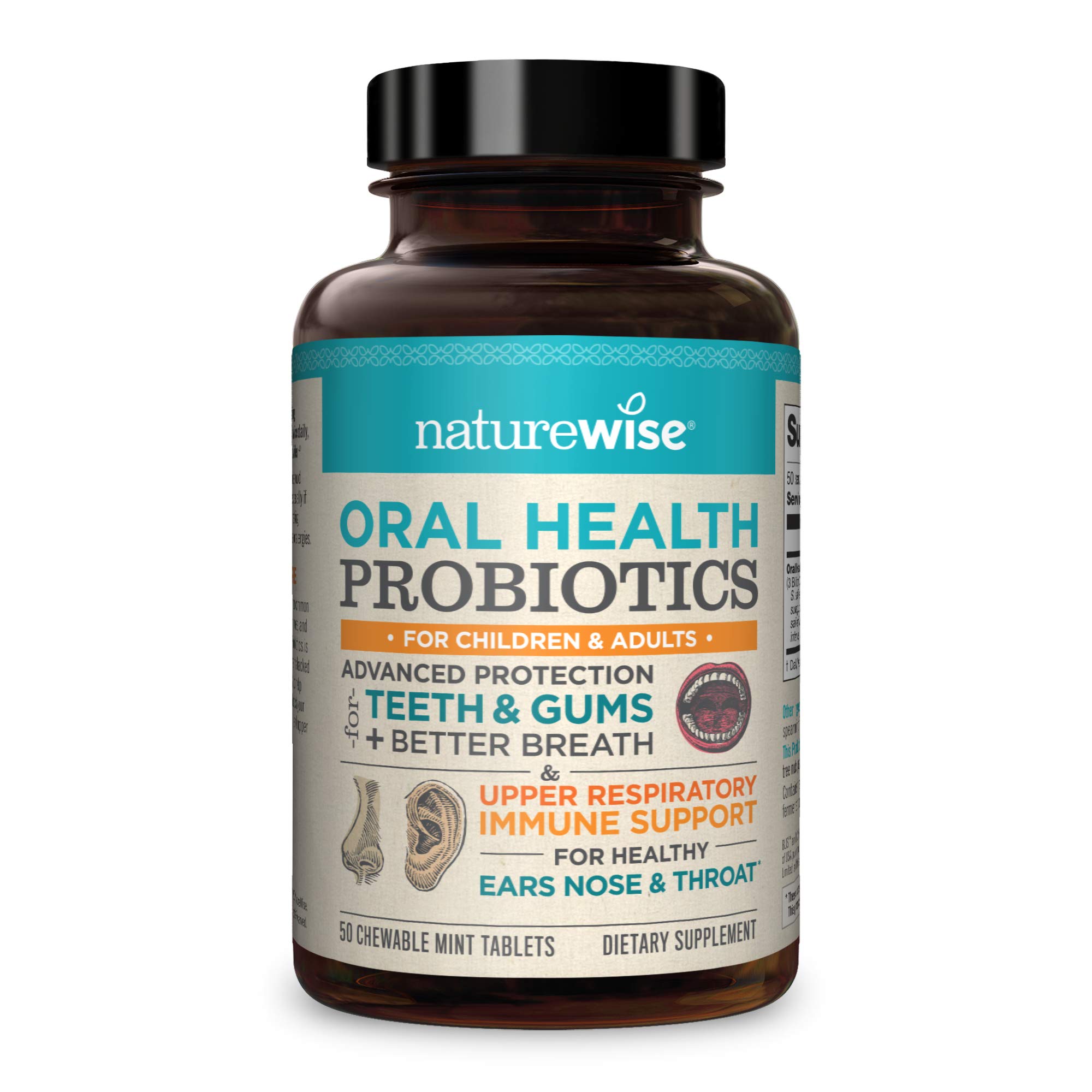
Unlocking a Healthier Smile: Why Probiotics Should Be a Key Part of Your Oral Hygiene Plan
Beyond brushing and flossing, a revolutionary approach to oral health is gaining traction: incorporating probiotics into your daily routine. While the familiar toothbrush and toothpaste remain essential, probiotics offer a powerful, natural way to bolster your mouth's defenses against harmful bacteria and improve overall oral health. This article delves into the science-backed benefits of probiotics for your smile, empowering you to take a proactive role in maintaining optimal oral hygiene.
The Microbial Battlefield in Your Mouth
Your mouth teems with a diverse community of microorganisms – bacteria, viruses, fungi, and even archaea. This complex ecosystem, often referred to as the oral microbiome, plays a vital role in both your oral and overall health. A balanced microbiome thrives on a harmonious relationship between beneficial and harmful bacteria. However, when the balance tips towards harmful species, the stage is set for oral diseases like gingivitis, periodontitis, and even cavities. Poor oral hygiene habits, a diet high in processed sugars, and certain medical conditions can all disrupt this delicate equilibrium, leading to inflammation and disease.
Probiotics: Your Oral Microbiome's Allies
Probiotics are live microorganisms, primarily beneficial bacteria and yeasts, that confer health benefits when consumed in adequate amounts. These beneficial bacteria work to restore balance in the oral microbiome by outcompeting harmful species for resources and space. They achieve this through various mechanisms: they produce substances that inhibit the growth of harmful bacteria; they enhance the production of antimicrobial compounds by the host; and they strengthen the immune response of your oral tissues. This multifaceted action makes probiotics a powerful tool in the fight against oral disease.
Specific Strains with Proven Benefits
Not all probiotics are created equal. Research points to specific strains demonstrating effectiveness in improving oral health. These include:
- Lactobacillus reuteri: Shown to reduce plaque formation and gingivitis.
- Lactobacillus rhamnosus: Demonstrates potential in combating oral pathogens.
- Streptococcus salivarius: Known for its ability to inhibit the growth of *Streptococcus mutans*, a major cavity-causing bacteria.
Further research continues to identify additional strains with promising oral health benefits.
Incorporating Probiotics into Your Oral Hygiene Routine
Integrating probiotics into your oral care is surprisingly simple. You can find probiotic products specifically formulated for oral health, including mouthwashes, lozenges, and even toothpastes. These products contain carefully selected strains known for their positive impact on the oral microbiome. Alternatively, you can increase your consumption of probiotic-rich foods like yogurt, kefir, and fermented vegetables. Remember to check the labels for information on the specific strains included and their guaranteed colony-forming units (CFUs) for optimal effectiveness. Always consult with your dentist or healthcare provider before making significant changes to your oral hygiene regimen, especially if you have pre-existing health conditions.
Beyond the Bacteria: A Holistic Approach
Probiotics are not a magic bullet. Maintaining a comprehensive oral hygiene routine remains crucial. This includes brushing your teeth twice a day with fluoride toothpaste, flossing daily, and visiting your dentist regularly for checkups and professional cleanings. Probiotics are best viewed as a complementary approach, working synergistically with your existing oral care practices to enhance the overall effectiveness of your strategy. By combining the power of probiotics with good hygiene habits, you're investing in a healthier, happier smile for years to come.


No comments:
Post a Comment
Note: Only a member of this blog may post a comment.