


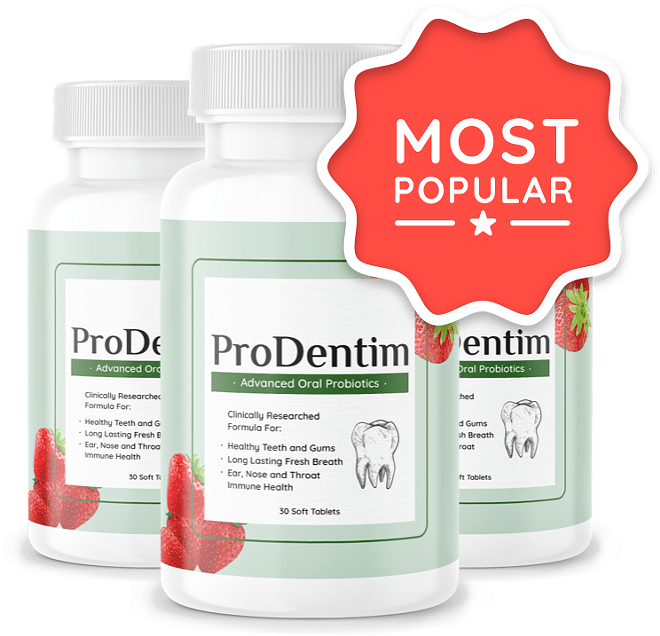
Top Probiotics for Improving Oral Health and Preventing Tooth Sensitivity
Tooth sensitivity, that sharp, shooting pain when you bite into something cold, hot, or sweet, plagues millions. Beyond the discomfort, it often signals underlying oral health issues. Fortunately, emerging research highlights the powerful role of probiotics in combating these problems. These beneficial bacteria, when introduced into the mouth, can help restore the natural balance of your oral microbiome, leading to improved gum health, reduced inflammation, and potentially, less sensitivity.
Understanding the Oral Microbiome and its Link to Sensitivity
Your mouth is a complex ecosystem teeming with bacteria – both good and bad. A healthy balance is crucial for strong teeth and gums. When the "bad" bacteria outnumber the "good," an imbalance occurs, leading to conditions like gingivitis, periodontitis, and even tooth decay. These conditions can damage the enamel and dentin, exposing the sensitive inner layers of your teeth, resulting in pain. Probiotics, essentially beneficial bacteria, work by re-establishing this balance, inhibiting the growth of harmful bacteria and promoting a healthier environment.
Probiotic Strains Showcasing Promise for Oral Health
While research is ongoing, several probiotic strains have shown promising results in improving oral health and potentially reducing tooth sensitivity. These are not a replacement for regular dental checkups and good oral hygiene, but rather a valuable addition to your oral health routine.
Lactobacillus rhamnosus
Studies suggest that Lactobacillus rhamnosus may effectively combat harmful bacteria associated with gingivitis and periodontitis. By reducing inflammation and promoting a healthy gum line, it indirectly contributes to reducing the risk of tooth sensitivity stemming from gum recession. This strain also demonstrates the ability to produce antimicrobial substances that inhibit the growth of cavity-causing bacteria. Incorporating foods rich in L. rhamnosus, or a supplement containing this strain, could be a beneficial addition to your oral health strategy.
Lactobacillus salivarius
Another notable strain is Lactobacillus salivarius, a naturally occurring bacterium in the oral cavity. This probiotic actively produces lactic acid, which helps to control pH levels in the mouth. Maintaining a balanced pH is critical in preventing tooth decay and enamel erosion, both of which can contribute to sensitivity. Several studies have demonstrated the efficacy of L. salivarius in reducing plaque formation and gingivitis, thereby indirectly supporting healthier teeth and gums and potentially less sensitivity.
Streptococcus salivarius K12
Streptococcus salivarius K12 is a unique probiotic strain known for its ability to inhibit the growth of Streptococcus mutans, a major contributor to tooth decay. By suppressing this harmful bacterium, S. salivarius K12 helps maintain a healthier oral environment. This reduction in decay minimizes the likelihood of cavities reaching the inner layers of the teeth, thereby reducing the chances of developing tooth sensitivity.
Incorporating Probiotics into Your Oral Health Routine
There are several ways to introduce these beneficial bacteria into your oral health regimen. You can:
- Consume probiotic-rich foods: Yogurt, kefir, sauerkraut, and kimchi are excellent sources of beneficial bacteria. Look for products specifically mentioning the strains discussed above.
- Use probiotic toothpaste or mouthwash: Several brands now offer oral care products containing specific probiotic strains. Always check the label to ensure the product contains the desired strains and is backed by research.
- Consider probiotic supplements: Probiotic supplements, available in capsule or powder form, offer a concentrated dose of beneficial bacteria. Consult with your dentist or a healthcare professional before starting any new supplement regime to ensure it is appropriate for your individual needs and doesn't interact with any medications you may be taking.
Important Note: While probiotics hold immense promise, they are not a miracle cure. Maintaining excellent oral hygiene practices, including brushing twice daily, flossing regularly, and visiting your dentist for regular checkups, remains crucial for overall oral health and managing tooth sensitivity. Probiotics are a valuable addition to your existing routine, not a replacement for essential dental care.


No comments:
Post a Comment
Note: Only a member of this blog may post a comment.