


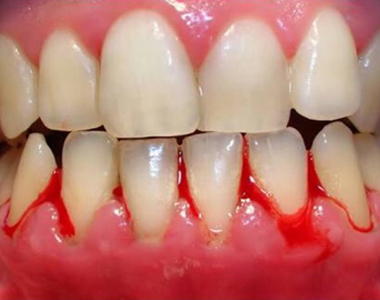
Simple Remedies to Stop Gum Bleeding and Reduce Swelling
Bleeding gums and swelling are common oral health issues often indicative of gingivitis, the early stage of gum disease. While professional dental care is crucial for managing and preventing advanced gum disease, several simple home remedies can effectively address mild cases, providing relief and promoting healing. This article will explore various approaches, emphasizing the importance of maintaining good oral hygiene practices alongside these remedies.
Understanding the Causes of Bleeding Gums and Swelling
Before delving into remedies, it's essential to understand the underlying causes of bleeding gums and swelling. The most common culprit is gingivitis, an inflammatory condition of the gums caused primarily by plaque buildup. Plaque is a sticky film of bacteria that constantly forms on teeth. If not removed through regular brushing and flossing, plaque hardens into tartar (calculus), a more difficult-to-remove substance that irritates the gums, leading to inflammation, bleeding, and swelling.
Other contributing factors include:
- Poor oral hygiene: Insufficient brushing and flossing allow plaque to accumulate.
- Aggressive brushing: Using excessive force while brushing can damage gum tissue, causing bleeding.
- Hormonal changes: Fluctuations in hormone levels, particularly during pregnancy and puberty, can increase gum sensitivity and susceptibility to bleeding.
- Vitamin deficiencies: Deficiencies in vitamins C and K can weaken blood vessels, leading to increased bleeding.
- Certain medications: Some medications, such as blood thinners, can increase the risk of bleeding gums.
- Smoking: Smoking reduces blood flow to the gums, hindering healing and increasing susceptibility to infection.
- Systemic diseases: Certain medical conditions, such as diabetes, can exacerbate gum problems.
- Improper dental appliances: Ill-fitting dentures or braces can irritate the gums.
It is crucial to note that persistent or severe bleeding gums warrant immediate professional dental attention. While home remedies can provide temporary relief for mild cases, they are not a substitute for professional dental care.
Simple Home Remedies for Bleeding Gums and Swelling
Several readily available home remedies can help alleviate mild bleeding and swelling associated with gingivitis. These remedies should be used in conjunction with a consistent oral hygiene routine, not as replacements.
Saltwater Rinse
A saltwater rinse is a simple yet effective remedy. Salt possesses natural antiseptic properties that help reduce inflammation and kill bacteria. To prepare a saltwater rinse, dissolve 1/2 to 3/4 teaspoon of salt in 8 ounces of warm water. Gently swish the solution around your mouth for 30-60 seconds, then spit it out. Repeat this several times a day, especially after brushing and flossing.
Hydrogen Peroxide Rinse
Hydrogen peroxide possesses mild antiseptic and antibacterial properties. Dilute 3% hydrogen peroxide with an equal amount of water. Gently swish the solution around your mouth for 30 seconds, then rinse thoroughly with plain water. Do not swallow the solution. Use this rinse sparingly, as overuse can damage gum tissue. This is a short-term remedy and should not be a long-term solution.
Cold Compress
Applying a cold compress to the swollen area can help reduce inflammation and alleviate discomfort. Wrap a few ice cubes in a clean cloth and apply it to the affected area for 10-15 minutes at a time, several times a day.
Aloe Vera Gel
Aloe vera gel, known for its soothing and anti-inflammatory properties, can help reduce gum swelling and promote healing. Apply a small amount of pure aloe vera gel directly to the affected gums. Ensure the product is 100% aloe vera with no added ingredients.
Tea Bag Compress
Tea bags, particularly black or green tea, contain tannins, which possess astringent properties that can help reduce swelling and bleeding. Brew a tea bag, allow it to cool slightly, and then apply it directly to the affected gum for a few minutes. The tannins help constrict blood vessels, reducing bleeding.
Clove Oil
Clove oil contains eugenol, a natural antiseptic and analgesic with pain-relieving properties. Apply a small amount of clove oil directly to the affected area using a cotton swab. Use with caution as clove oil can be irritating to sensitive skin. Dilute it with a carrier oil like coconut oil if needed.
Maintaining Good Oral Hygiene: The Cornerstone of Gum Health
While home remedies can provide temporary relief, maintaining impeccable oral hygiene is paramount in preventing and managing gum problems. This involves a multifaceted approach:
Brushing Technique
Brush your teeth twice a day for at least two minutes each time using a soft-bristled toothbrush. Use gentle, circular motions, ensuring you clean all surfaces of your teeth and gum line. Avoid aggressive brushing, which can damage gum tissue.
Flossing
Flossing is crucial for removing plaque and food particles from between teeth, where your toothbrush cannot reach. Floss gently, curving the floss around each tooth and sliding it up and down along the gum line.
Mouthwash
Therapeutic mouthwashes can complement brushing and flossing by helping to reduce bacteria and inflammation. Choose a mouthwash recommended by your dentist. Avoid alcohol-based mouthwashes, as they can dry out the mouth and irritate gums.
Regular Dental Checkups
Regular visits to your dentist are essential for professional cleaning, examination, and early detection of gum disease. Professional cleanings remove tartar buildup that cannot be removed at home. Early detection allows for prompt treatment, preventing the progression to more serious stages of gum disease.
When to Seek Professional Dental Care
While the home remedies discussed above can offer temporary relief for mild gum bleeding and swelling, it's crucial to seek professional dental care under certain circumstances:
- Persistent bleeding: If your gums bleed frequently despite good oral hygiene, consult a dentist.
- Severe swelling: Significant swelling accompanied by pain or discomfort requires professional evaluation.
- Receding gums: If your gums are pulling away from your teeth, it indicates potential periodontal disease and necessitates prompt dental intervention.
- Loose teeth: Loose teeth are a serious sign of gum disease and should be addressed immediately.
- Bad breath: Persistent bad breath (halitosis) can be a sign of underlying oral health problems.
- Pus formation: Any pus or fluid discharge from your gums warrants immediate professional attention.
Early detection and treatment of gum disease are crucial for preventing more serious complications, such as tooth loss and systemic health issues. Don't hesitate to schedule an appointment with your dentist if you experience any persistent or concerning symptoms.


No comments:
Post a Comment
Note: Only a member of this blog may post a comment.