


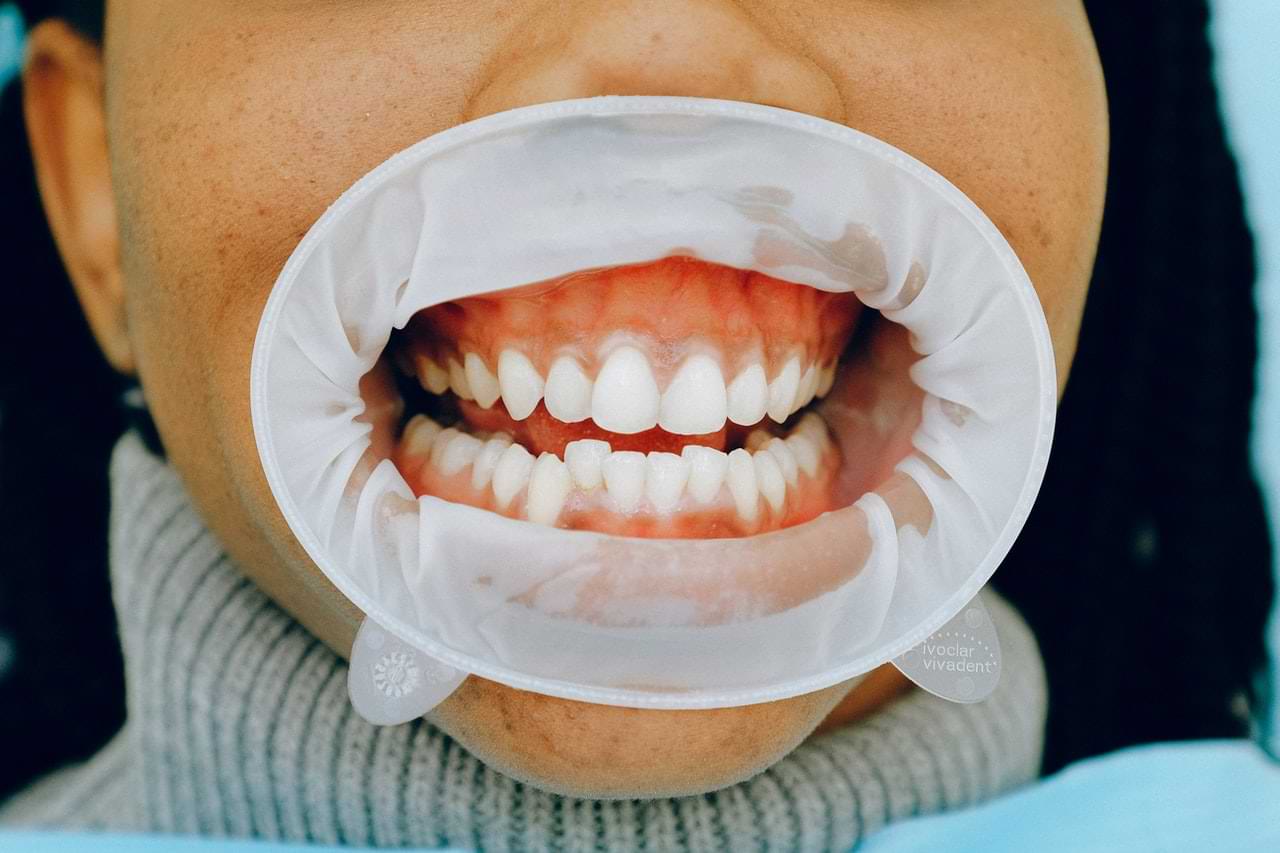
10 Effective Treatments for Receding Gums You Should Know About
Receding gums, that unsettling sight of exposed tooth roots, is more than just an aesthetic concern. It signals a serious underlying problem: gum disease (periodontal disease). Left untreated, receding gums can lead to tooth loss, infection, and even impact overall health. Fortunately, several effective treatments are available to halt gum recession and improve your oral health. This article explores ten effective approaches, empowering you to take control of your gum health and preserve your beautiful smile.
Understanding the Root Cause: Why Gums Recede
Before diving into treatments, it's crucial to understand why gums recede. The primary culprit is often gum disease, specifically gingivitis and periodontitis. These conditions are caused by bacterial plaque buildup along the gum line. Inflammation ensues, weakening the tissues that hold your teeth in place, leading to gradual gum recession. Other contributing factors include aggressive brushing, genetics, hormonal changes (especially during pregnancy), certain medications, and even grinding or clenching your teeth (bruxism).
10 Effective Treatments for Receding Gums
1. Scaling and Root Planing (Deep Cleaning):
This professional procedure involves meticulously removing plaque and tartar from both above and below the gum line. A specialized instrument is used to smooth the tooth roots, creating a less hospitable environment for bacteria to recolonize. Scaling and root planing is often the first line of defense against moderate gum disease and can effectively stop further gum recession.
2. Antibiotics:
In cases of severe gum disease or infection, your dentist may prescribe antibiotics to combat the underlying bacterial infection. These medications can help control the inflammation and prevent further damage to the gum tissue. Antibiotics are typically used in conjunction with other treatments, not as a standalone solution.
3. Gum Grafting:
For more significant gum recession, gum grafting is a surgical procedure. Tissue is harvested from another area of your mouth (often the palate) or from a donor source and grafted onto the affected area. This procedure effectively covers exposed tooth roots and restores the gum line's natural appearance. Different grafting techniques are tailored to individual needs.
4. Guided Tissue Regeneration (GTR):
GTR involves using a small membrane to encourage the regeneration of lost gum tissue and bone. This membrane creates a protected environment for tissue growth, promoting natural healing. GTR is often used in conjunction with other procedures like scaling and root planing.
5. Connective Tissue Graft:
A connective tissue graft involves taking tissue from under the gum line in a less noticeable area (typically the palate) and using it to cover the receding gums. This technique often provides better results in terms of aesthetic appearance compared to other grafting methods because the color and texture match better.
6. Enamel Matrix Derivative (EMD):
EMD is a protein gel that acts as a scaffold to promote the regeneration of gum tissue and bone. It stimulates natural healing processes, and is often used in conjunction with other procedures to enhance their effectiveness. It’s a minimally invasive option for those with mild to moderate gum recession.
7. Pinhole Surgical Technique (PST):
PST is a minimally invasive procedure that uses specialized instruments to reposition the gum tissue without the need for sutures or incisions. This technique offers a less traumatic and faster recovery time compared to traditional gum grafting. It's suitable for mild to moderate cases of gum recession.
8. Improved Oral Hygiene Practices:
Daily brushing and flossing are crucial for preventing and managing gum disease. Use a soft-bristled toothbrush and gentle, circular motions. Floss daily to remove plaque from between your teeth where your toothbrush can’t reach. Your dentist can provide personalized guidance on proper brushing and flossing techniques.
9. Regular Dental Checkups:
Regular visits to your dentist are vital. Professional cleanings every six months help remove plaque and tartar buildup, preventing the progression of gum disease. Early detection of gum recession allows for timely intervention and minimizes the need for extensive treatments.
10. Lifestyle Modifications:
Certain lifestyle choices can exacerbate gum disease. Quitting smoking, managing stress, and adopting a healthy diet contribute significantly to overall oral health. Smoking restricts blood flow, hindering the healing process and increasing the risk of gum recession.
Remember, early detection and intervention are key to successful treatment of receding gums. If you notice any signs of gum recessionâ€"such as bleeding gums, sensitivity to hot or cold, or visible tooth rootsâ€"schedule an appointment with your dentist immediately. Don't let receding gums compromise your smile and overall health; proactive care is your best defense.


No comments:
Post a Comment
Note: Only a member of this blog may post a comment.