


Xylitol for Oral Health: Protecting Your Teeth Naturally
The quest for optimal oral hygiene has led to the exploration of numerous approaches, ranging from traditional brushing and flossing techniques to advanced dental procedures. In recent years, a naturally occurring sugar alcohol, xylitol, has emerged as a promising agent in the fight against dental caries (tooth decay) and other oral health issues. This article will delve into the scientific basis behind xylitol's effectiveness, its mechanisms of action, and its potential benefits and limitations in maintaining oral health.
Understanding Xylitol: A Natural Alternative
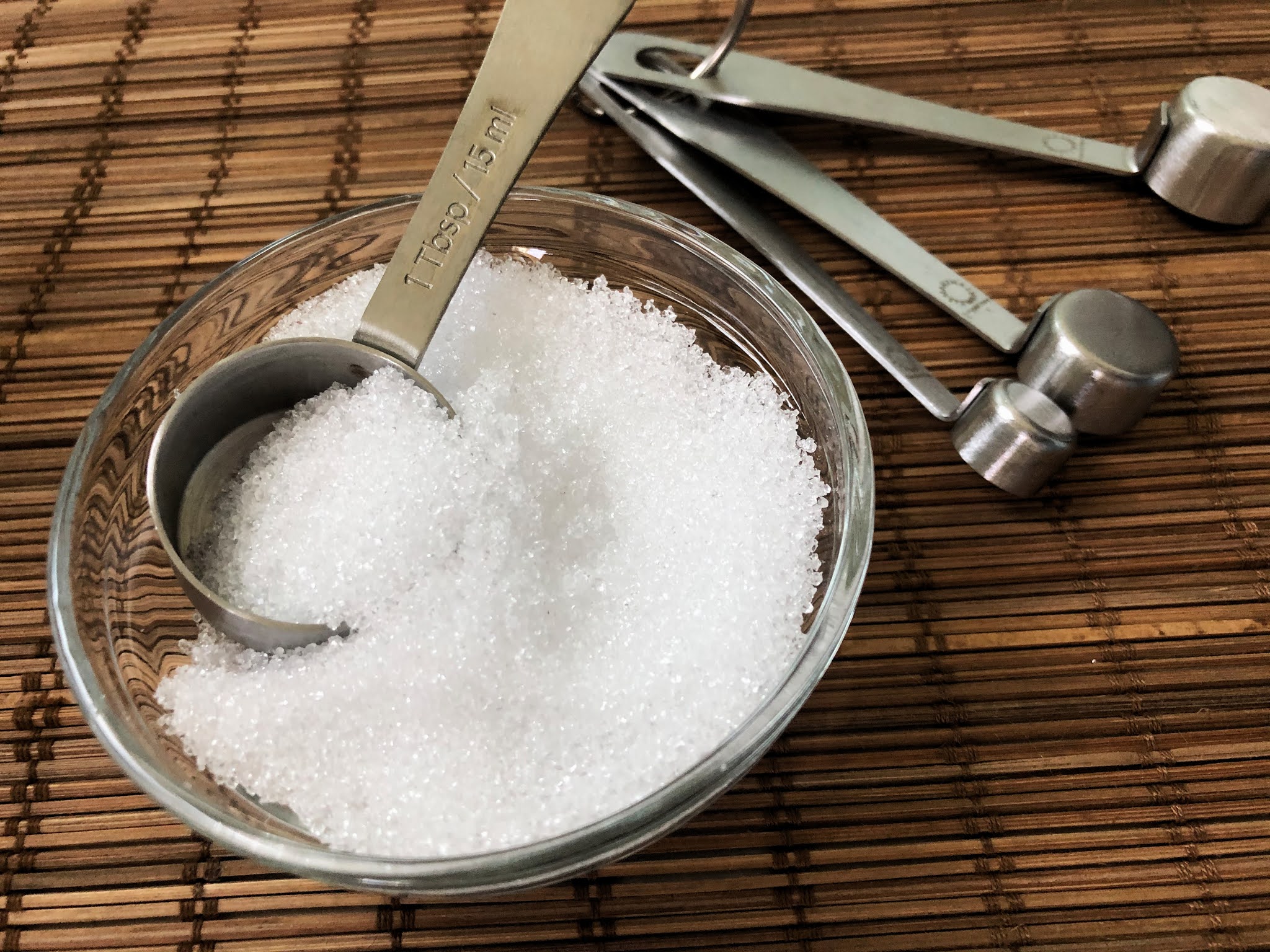
Xylitol is a five-carbon sugar alcohol found naturally in small amounts in various fruits and vegetables, such as berries, plums, and corn cobs. However, the xylitol used in oral health products is typically produced commercially through a chemical process involving the reduction of xylose, a component of plant fibers. Unlike sucrose (table sugar), xylitol possesses a significantly lower glycemic index, meaning it has a minimal impact on blood glucose levels. This characteristic is crucial in understanding its dental benefits.
The Metabolic Distinction of Xylitol
The key difference between xylitol and sucrose lies in their metabolism by oral bacteria. Sucrose provides readily available energy for the acidogenic bacteria (bacteria that produce acid) responsible for tooth decay. These bacteria ferment sucrose, producing lactic acid, which demineralizes tooth enamel, leading to the formation of cavities. Xylitol, on the other hand, is metabolized differently. While some bacteria can utilize xylitol, they do so at a significantly slower rate and often produce less acid as a byproduct. This metabolic distinction is fundamental to xylitol's protective effects on oral health.
Mechanisms of Action: How Xylitol Protects Teeth
The protective effects of xylitol on oral health stem from a multifaceted mechanism of action. These effects encompass both the inhibition of bacterial growth and the promotion of remineralization of tooth enamel.
Inhibition of Bacterial Growth and Acid Production
Xylitol effectively inhibits the growth and metabolic activity of Streptococcus mutans, the primary bacterium implicated in dental caries. It achieves this through several mechanisms:
- Competitive inhibition: Xylitol competes with sucrose for binding sites on bacterial receptors, thus preventing sucrose uptake and subsequent acid production.
- Reduced bacterial adhesion: Xylitol interferes with the bacteria's ability to adhere to the tooth surface, preventing the formation of dental plaque, the biofilm where acid production occurs.
- Altered bacterial metabolism: Xylitol uptake by S. mutans leads to an imbalance in their metabolic pathways, disrupting their energy production and reducing acid output.
Remineralization of Tooth Enamel
Beyond inhibiting bacterial activity, xylitol also plays a role in promoting the remineralization of tooth enamel. When enamel is exposed to acidic conditions, it undergoes demineralization, losing its essential minerals such as calcium and phosphate. Xylitol, through its influence on the oral environment, facilitates the replenishment of these minerals, strengthening the enamel and mitigating the effects of acid attacks.
Applications of Xylitol in Oral Hygiene
Xylitol's beneficial properties have led to its incorporation into a wide range of oral hygiene products. Its effectiveness is maximized when used consistently and strategically.
Xylitol Gum and Candies
Chewing xylitol-containing gum or sucking on xylitol candies after meals is a popular and effective strategy. The mechanical action of chewing stimulates saliva production, which neutralizes acids and helps to remove food debris. The xylitol itself contributes to the antimicrobial and remineralization effects discussed earlier. However, it's crucial to choose products that contain a significant amount of xylitol (typically at least 5g per serving) to achieve optimal results.
Xylitol Mouthwashes and Toothpastes
Xylitol is also incorporated into various mouthwashes and toothpastes. These products provide a direct application of xylitol to the oral cavity, further enhancing its antibacterial and remineralizing effects. Combining xylitol-containing mouthwashes and toothpastes with regular brushing and flossing significantly improves overall oral hygiene.
Dosage and Frequency
The effective dosage of xylitol varies depending on the product and individual needs. However, studies generally suggest that consistent consumption of at least 6-10 grams of xylitol per day can yield significant benefits. This can be achieved through the regular use of xylitol gum, candies, or other oral hygiene products. It is important to consult with a dentist or healthcare professional to determine the most appropriate dosage and frequency for individual circumstances.
Potential Side Effects and Precautions
While generally safe, xylitol consumption can lead to some side effects, particularly in high doses. These are mainly gastrointestinal, including diarrhea, nausea, and abdominal cramps. These effects are generally dose-dependent and subside once xylitol intake is reduced. It is critical to note that xylitol is highly toxic to dogs, even in small amounts. Therefore, xylitol-containing products should be kept out of reach of pets.
Conclusion: Xylitol as a Valuable Tool in Oral Health Maintenance
Xylitol's unique metabolic properties make it a valuable asset in the fight against tooth decay and the maintenance of overall oral health. Its multiple mechanisms of action, encompassing the inhibition of cariogenic bacteria and the promotion of enamel remineralization, provide a natural and effective approach to improving oral hygiene. When used consistently as part of a comprehensive oral care routine, including regular brushing, flossing, and professional dental checkups, xylitol can contribute significantly to maintaining healthy teeth and gums throughout life. However, mindful consumption and awareness of potential side effects are crucial for optimal usage. Consulting with a dentist or healthcare professional can help determine the appropriate integration of xylitol into your individual oral health regimen.


No comments:
Post a Comment
Note: Only a member of this blog may post a comment.