


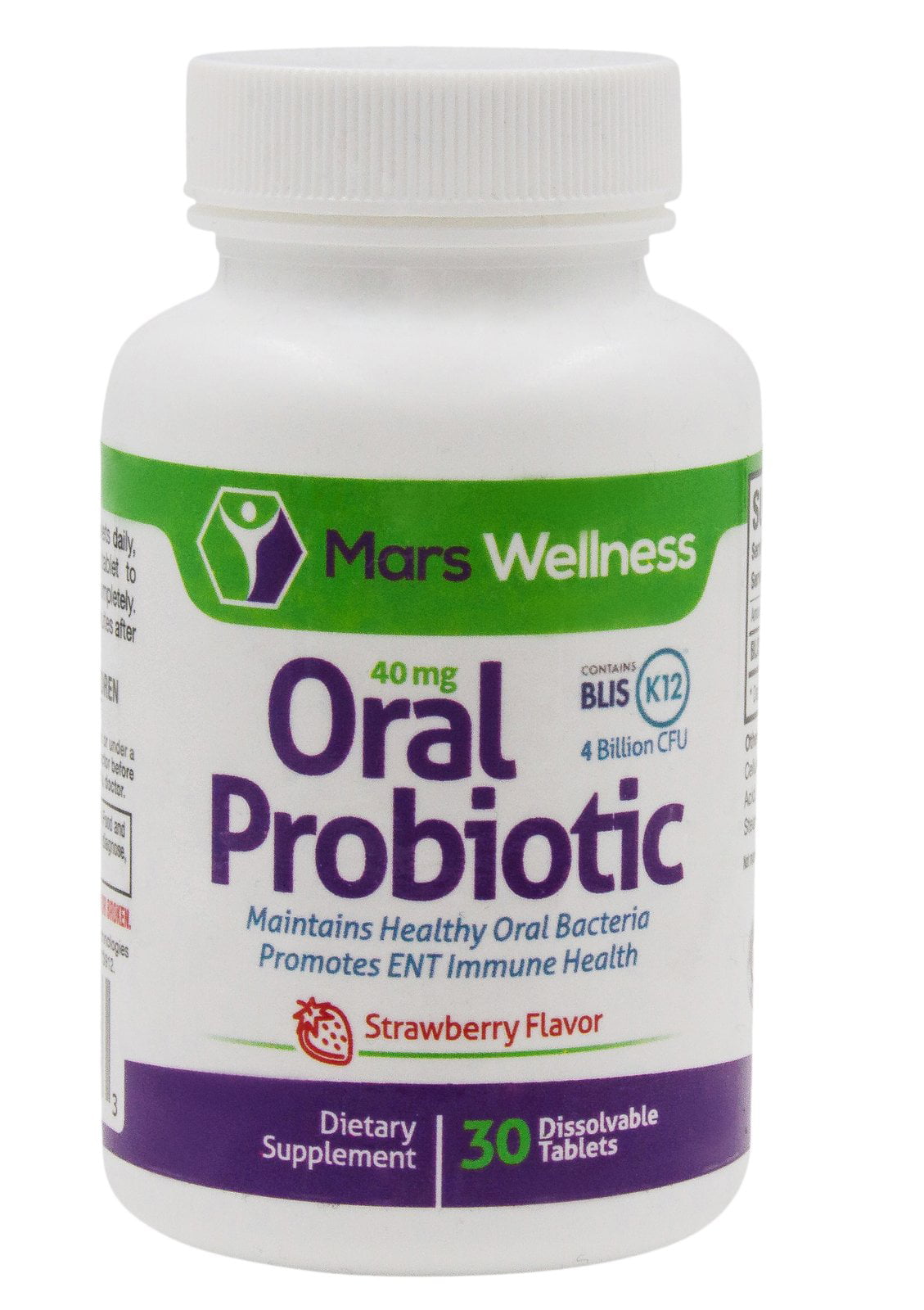
Unlocking a Healthier Smile: Your Guide to Probiotic Supplements for Oral Health
Hey there! Let's talk about something super important, but often overlooked: your oral microbiome. It's basically the bustling city of bacteria, yeasts, and other microorganisms living in your mouth. And just like any city, a thriving, balanced community is crucial for overall health. A healthy oral microbiome means a happy mouth, fewer cavities, less gum disease, and even a potential boost to your overall well-being. And that's where probiotic supplements can come in!Understanding Your Oral Microbiome
Think of your mouth as a complex ecosystem. It's not just about the "good" and "bad" bacteria; it's about the delicate balance between them. A healthy balance means the "good" bacteria are keeping the "bad" ones in check, preventing them from causing havoc. But various factors can disrupt this balance â€" think sugary drinks, poor oral hygiene, stress, or even certain medications. When this happens, the "bad" guys can thrive, leading to problems like cavities, gum disease (gingivitis and periodontitis), and bad breath.The Good Guys and the Bad Guys
The "good" bacteria in your mouth help protect against harmful bacteria by:- Competing for space and nutrients, preventing the growth of harmful bacteria.
- Producing substances that inhibit the growth of harmful bacteria.
- Strengthening your gums and teeth.
- Improving the overall health of your oral tissues.
- Cavities: These happen when acid-producing bacteria break down sugars, creating acid that erodes tooth enamel.
- Gum disease (gingivitis and periodontitis): Inflammation and infection of the gums, potentially leading to tooth loss.
- Bad breath (halitosis): Caused by volatile sulfur compounds produced by certain bacteria.
Introducing Probiotics: The Friendly Bacteria Boost
Probiotic supplements contain live microorganisms, mostly bacteria and yeasts, similar to those found naturally in a healthy gut and mouth. When taken correctly, these friendly bacteria can help restore the balance in your oral microbiome. They work by:- Outcompeting harmful bacteria: They take up space and resources, making it harder for harmful bacteria to proliferate.
- Producing antimicrobial substances: These substances can directly kill or inhibit the growth of harmful bacteria.
- Strengthening the immune response: Probiotics can stimulate the immune system to fight off infections more effectively.
- Reducing inflammation: By modulating the immune response, they can help reduce inflammation in the gums.
Choosing the Right Probiotic Supplement
Not all probiotic supplements are created equal. When choosing a supplement for oral health, look for products that specifically mention oral health benefits and contain strains known to be beneficial for the mouth. Some common strains include:- Lactobacillus reuteri
- Lactobacillus salivarius
- Streptococcus salivarius K12
- Weissella cibaria
How to Use Probiotic Supplements for Oral Health
Probiotic supplements for oral health come in various forms, including capsules, tablets, lozenges, and even chewing gums. Follow the instructions on the product label carefully. Some supplements might need to be taken with food, while others can be taken on an empty stomach.Beyond Supplements: A Holistic Approach
While probiotic supplements can be a valuable addition to your oral health routine, they are not a miracle cure. For optimal results, combine them with other healthy habits:- Maintain excellent oral hygiene: Brush your teeth twice a day for at least two minutes each time, floss daily, and use a mouthwash (if recommended by your dentist).
- Eat a balanced diet: Limit sugary drinks and snacks, and opt for a diet rich in fruits, vegetables, and whole grains.
- Manage stress: Stress can negatively impact your immune system, making you more susceptible to oral infections.
- Visit your dentist regularly: Regular checkups and professional cleanings are essential for maintaining optimal oral health.
Potential Side Effects and Precautions
While generally safe, probiotic supplements can sometimes cause mild side effects such as gas, bloating, or diarrhea, especially when first starting. These side effects usually subside as your body adjusts. However, if you experience severe or persistent side effects, stop taking the supplement and consult your doctor or dentist. If you have a weakened immune system or a pre-existing medical condition, it's crucial to talk to your doctor before using probiotic supplements.Frequently Asked Questions
Q: How long does it take to see results from using oral probiotics?
A: This varies depending on the individual and the specific product. Some people might notice improvements within a few weeks, while others might take longer. Consistency is key.
Q: Can I use oral probiotics alongside my regular toothpaste and mouthwash?
A: Yes, generally you can. However, it's best to check with your dentist or the product instructions to ensure there are no potential interactions.
Q: Are oral probiotics safe for children and pregnant women?
A: It’s crucial to speak with your pediatrician or obstetrician before giving probiotics to children or during pregnancy. They can advise on appropriate strains and dosages.
Q: Are all oral probiotic supplements the same?
A: Absolutely not! Different products contain different strains of bacteria and in different quantities. Read labels carefully and choose a product with strains known to benefit oral health.
Q: What if I don't see any improvement after using oral probiotics for a while?
A: If you haven't seen any improvement in your oral health after consistently using an oral probiotic supplement for several weeks, consult your dentist. There might be other underlying issues contributing to your oral health problems.
Remember, a healthy smile is a sign of overall well-being. By incorporating probiotic supplements into a comprehensive oral health routine, you can contribute to a happier, healthier mouth! But always remember to consult with your dentist or healthcare provider before making any significant changes to your health routine.


No comments:
Post a Comment
Note: Only a member of this blog may post a comment.